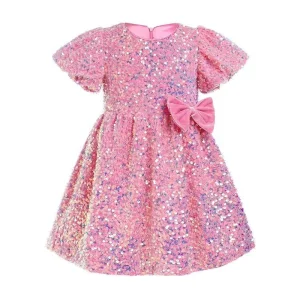
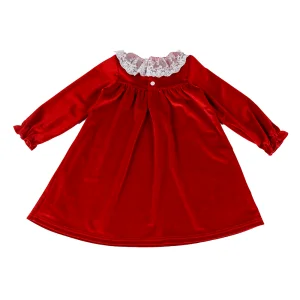
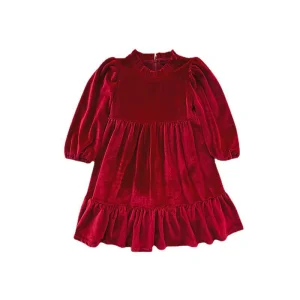
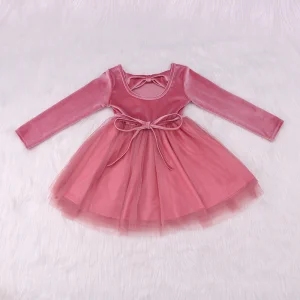
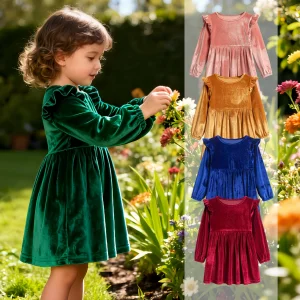
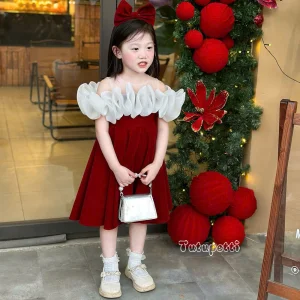
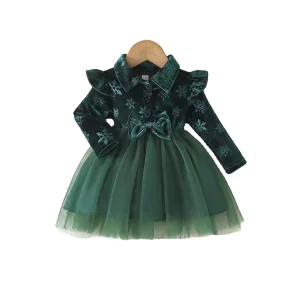
Immediate-dispatch designs engineered with high-density breathable velvet fibers for cross-hemispheric festive cycles
A comprehensive B2B analysis on consumer intent, structural material mechanics, and supply chain synchronization
The premium kidswear landscape within South Africa—spanning major commercial corridors from Gauteng to the Western Cape—presents a unique seasonal paradox for international fashion buyers. While the peak global holiday season for Christmas, Year-End Galas, and the Day of Goodwill unfolds during the southern hemisphere's summer, the demand for Girls Holiday Velvet Dresses remains remarkably robust. This phenomenon is driven by a profound consumer association between velvet and traditional holiday prestige, luxury ceremonial wear, and high-end family portraits.
For mass merchants, retail conglomerates, and independent boutique networks operating in cities like Durban, Pretoria, and Port Elizabeth, sourcing velvet garments requires an advanced understanding of local microclimates. Standard winter-weight heavy velvet can lead to thermal discomfort under the South African summer sun. Consequently, the industrial trend has rapidly shifted toward engineering lightweight, high-breathability micro-velvets (220-260 GSM) blended with elastic matrices (Spandex/Polyester combinations). This composition allows for the iconic deep-pile visual luster and rich texture retention while facilitating efficient moisture vapor transfer and continuous cooling for children.
As a benchmark global manufacturing entity, Guangdong Darias Dress Co., Ltd. serves as a critical strategic node for South African retailers seeking high-volume efficiency combined with precise custom engineering. Operating within China's advanced textile manufacturing clusters, Darias Dress handles the entire operational life cycle—from hyper-detailed fabric inspection to state-of-the-art automated cutting systems.
Velvet apparel fabrication demands significantly higher technical precision compared to standardized cotton or linen knits. The fabric exhibits a directional pile layout; an inaccurate cutting alignment across pattern blocks will result in uneven light absorption, creating mismatched panels and rendering the garment unsellable at luxury price points. The manufacturing facility mitigates this risk by deploying computer-aided design (CAD) patterns integrated directly into automatic precision cutting tables, ensuring absolute consistency in pile directionality across all size variations—from 3-month infants up to 12-year-old pre-teens.
Examine Our Factory Production Line Infrastructure Below:
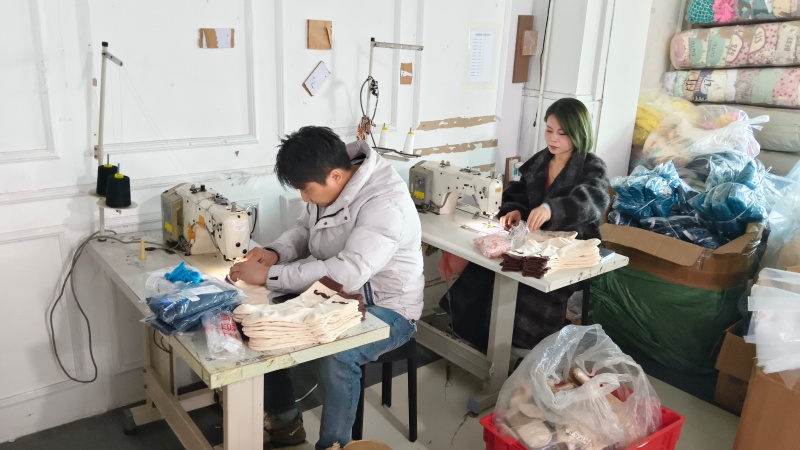
Confidential Showroom
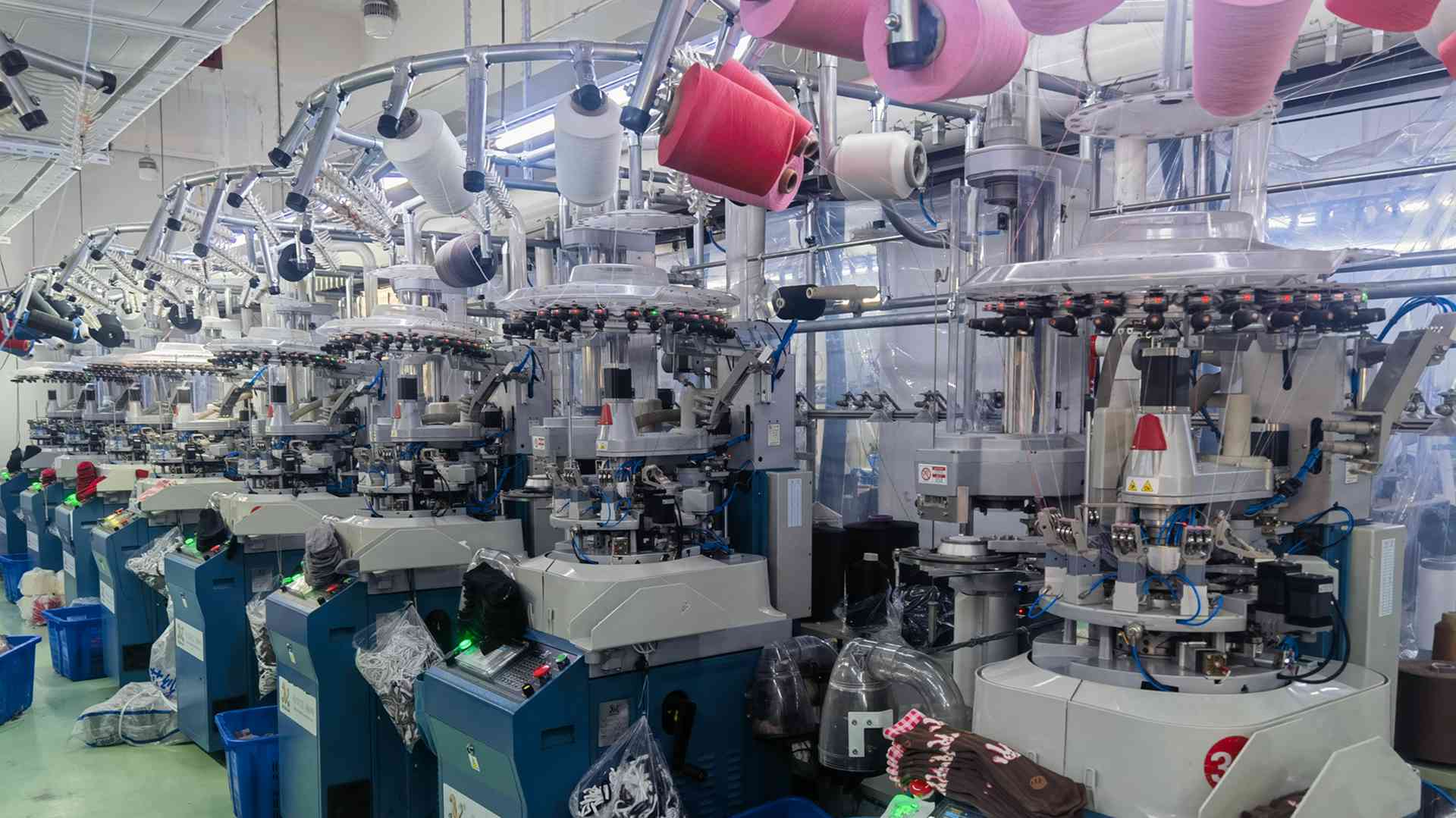
Socks Machine
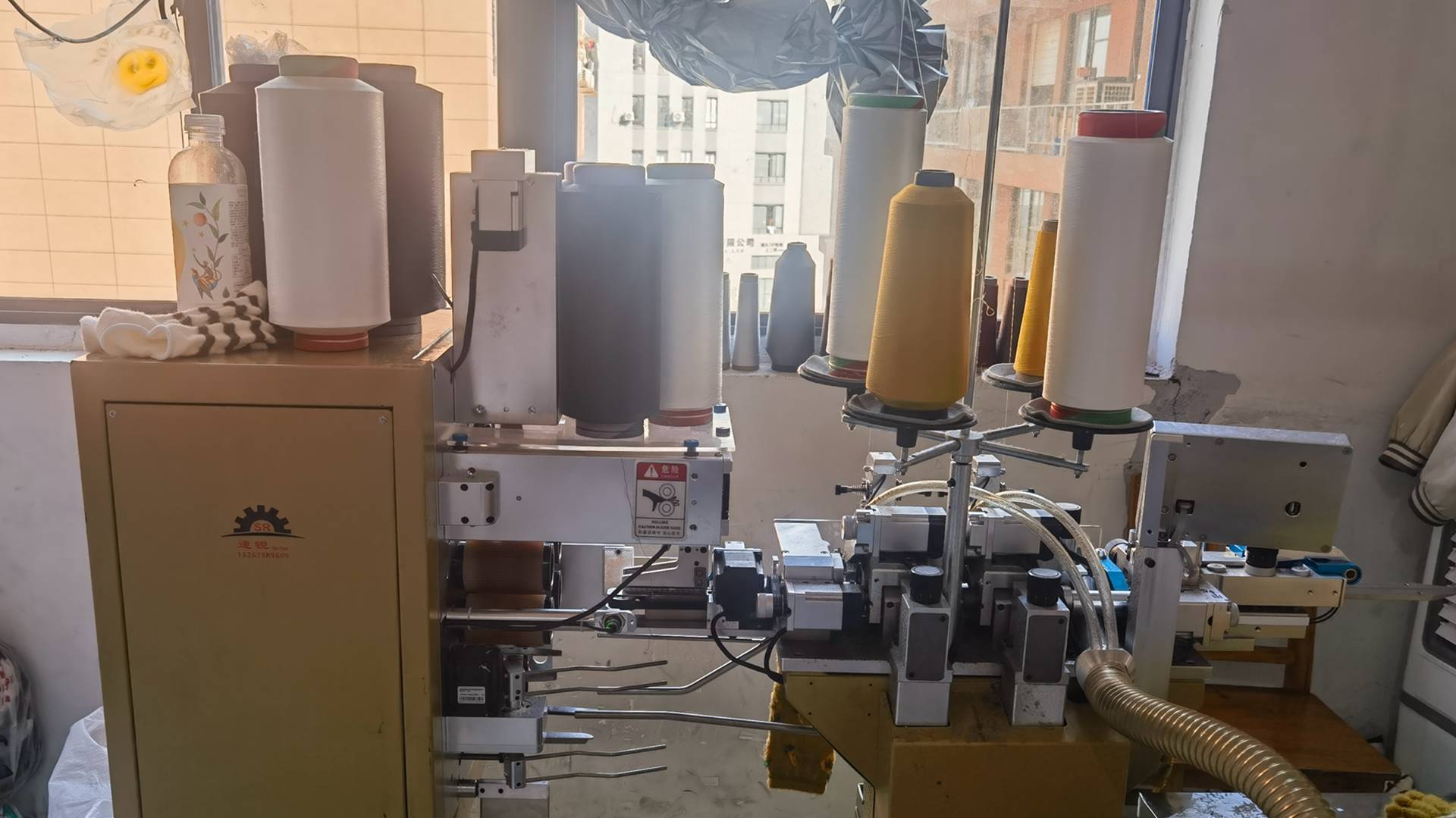
Stitching Machine
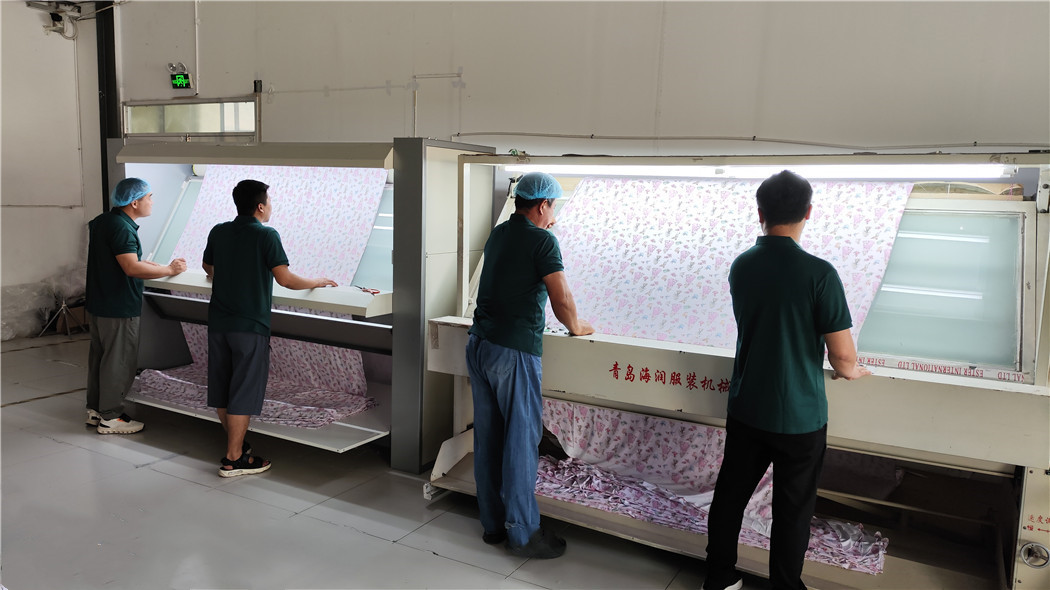
Fabric Inspection
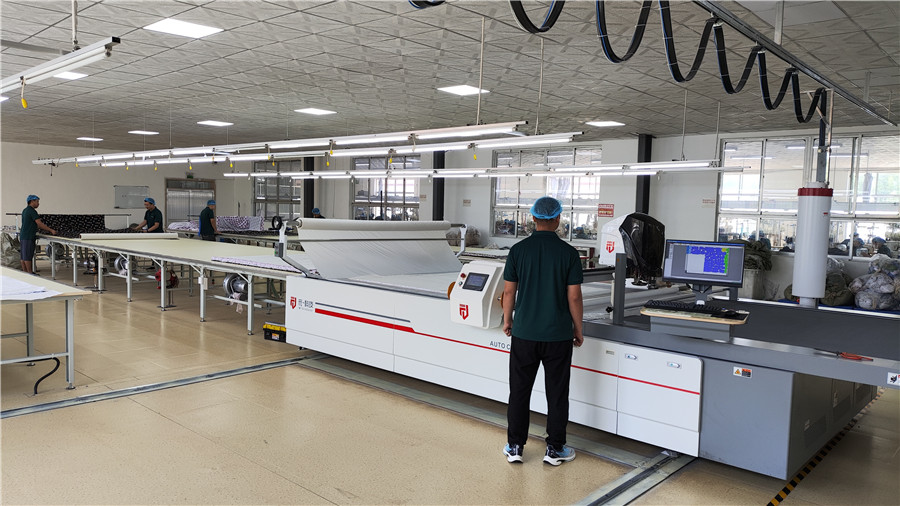
Cutting
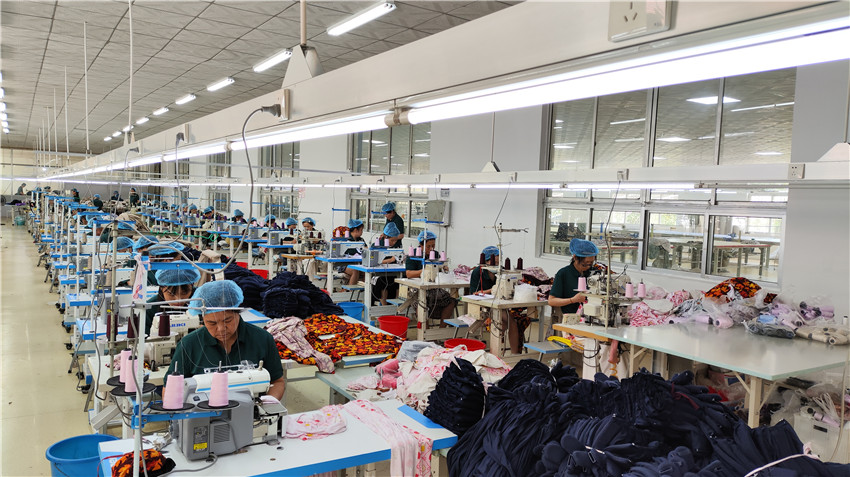
Sewing
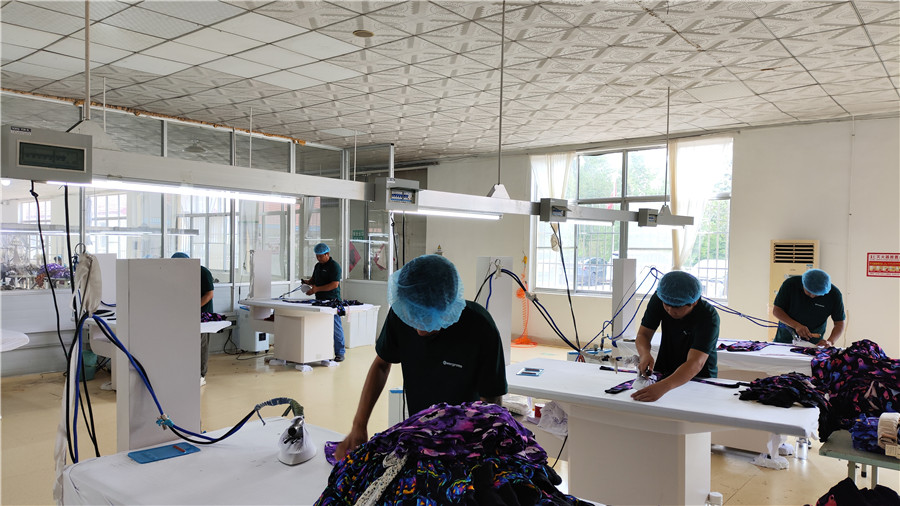
Ironing
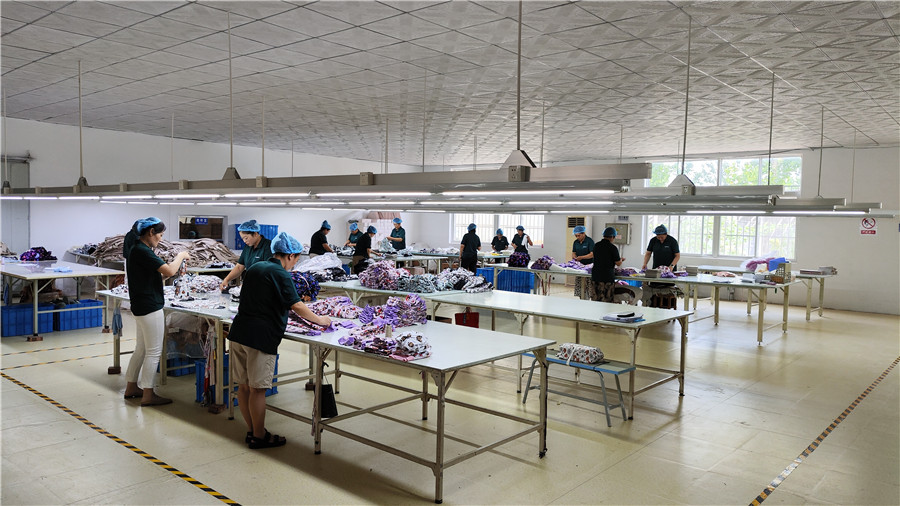
Trimming
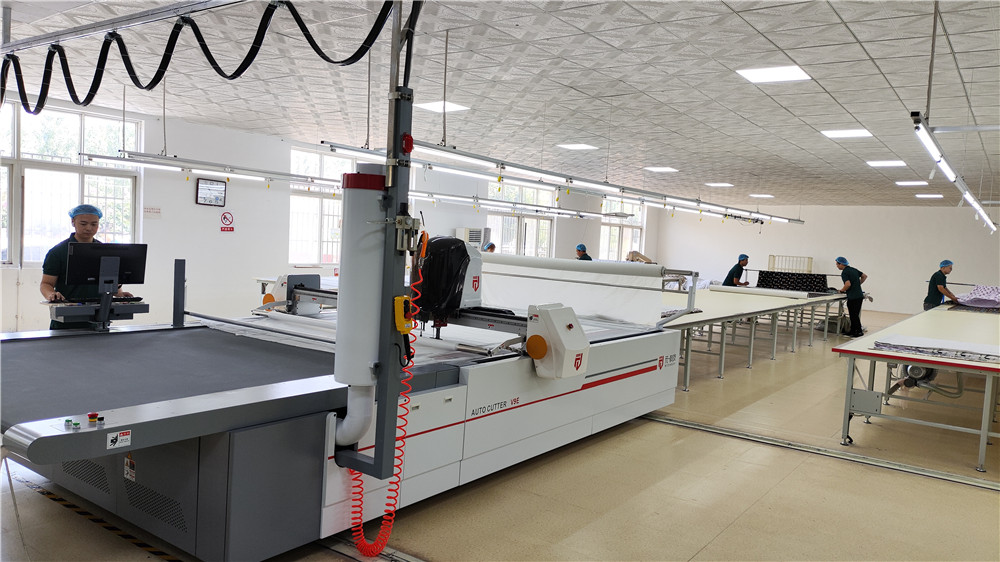
Automatic Cutting Machine
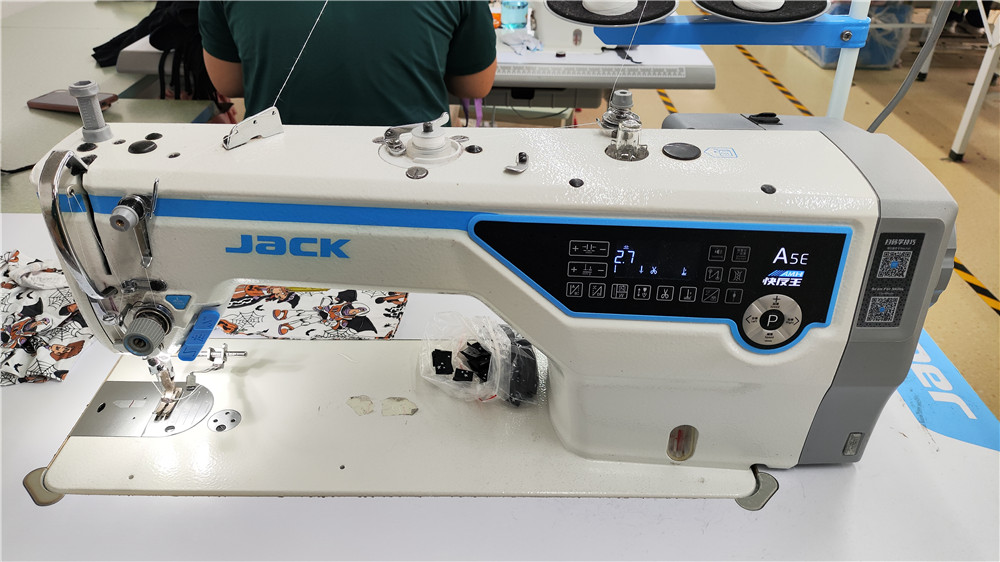
Sewing Machine
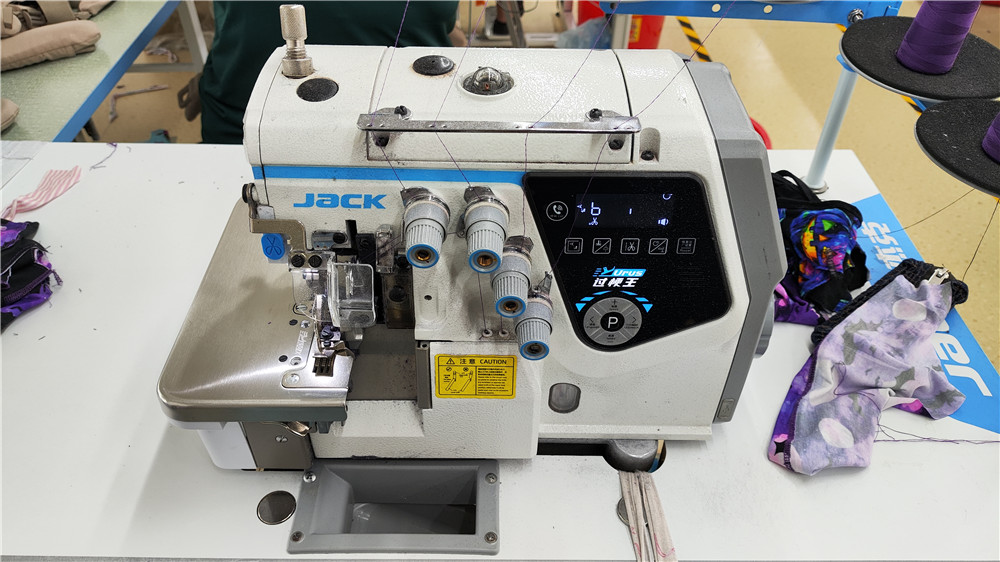
Overlock Machine
Navigating international apparel customs into Southern Africa requires strict adherence to regulatory standards enforced by the South African Bureau of Standards (SABS) and the South African Revenue Service (SARS). Textile imports are heavily monitored to protect local industries, making transparent documentation, clear fiber composition labels, and accurate Country-of-Origin declarations mandatory for friction-free customs clearance.
Darias Dress ensures all export packaging complies seamlessly with international transport standards. Velvet garments undergo multi-layer poly-bag encapsulation to prevent compression and moisture degradation during maritime transit through critical shipping corridors to Durban Port or Cape Town Harbor. Air freight shipments bound for O.R. Tambo International Airport utilize high-rigidity multi-wall master cartons to eliminate crushing risks, guaranteeing that dresses emerge from transit ready for high-end boutique merchandising displays.
Partner directly with China's leading automated boutique kidswear factory. Secure prioritized production slots, custom sizing alterations, and optimized freight handling strategies tailored precisely for South Africa's primary retail corridors.
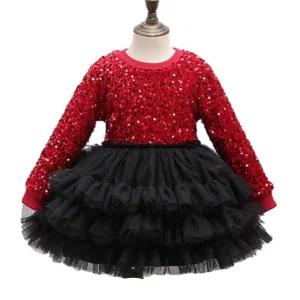
Send Inquiry NowContemporary B2B buyers require deep flexibility across both original equipment manufacturing (OEM) and original design manufacturing (ODM) spectrums. Modern fashion design cycles within South Africa show a significant lean toward hybrid garments. Rather than monolithic, single-fabric constructions, high-performance lines utilize velvet as a focal bodice component, pairing it with multi-tiered tulle skirts, sequin accents, and breathable cotton inner linings.
This hybrid design approach fulfills two primary corporate objectives: first, it maintains the premium luxury aesthetic expected of high-end holiday fashion; second, it dramatically reduces the weight and heat-retention properties of the garment. For active toddlers and young children, hypoallergenic interior stitching and cotton linings prevent skin irritation and friction chafing, directly matching the consumer intent trends found in elite retail market reports.
Advanced grid configurations optimized with low MOQ thresholds for cross-border enterprise distribution networks
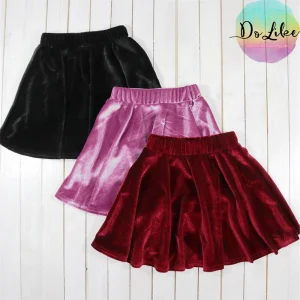
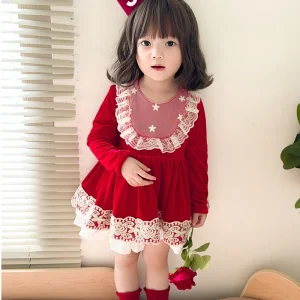
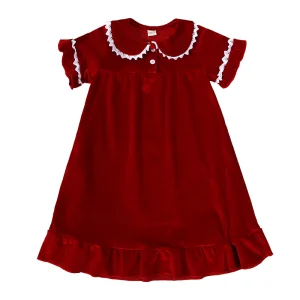
Direct technical answers addressing tariff structures, material durability, and distribution logistics
 Darias Dress