Discover premium craftsmanship, lightweight structures, and compliance-certified materials selected for our global commercial clients.
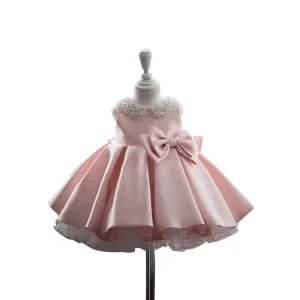
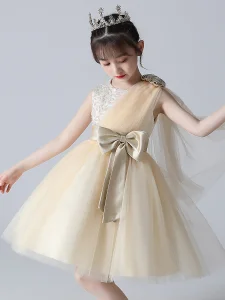
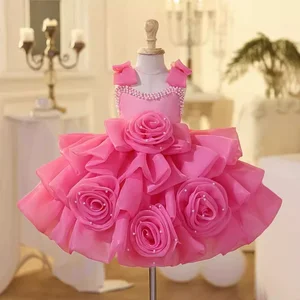
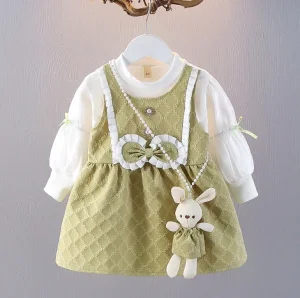
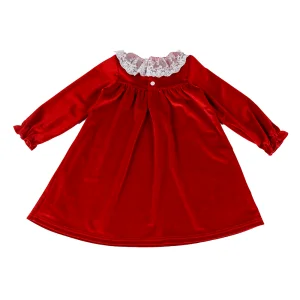
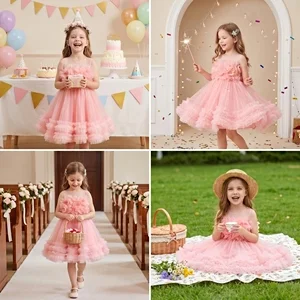
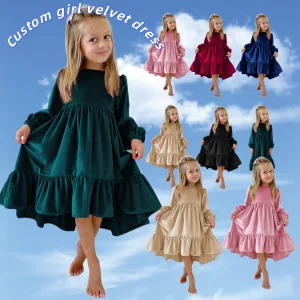
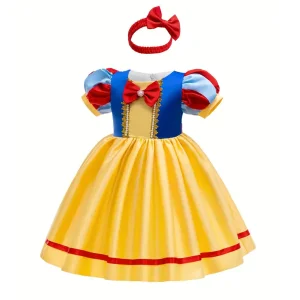
Understanding supply chain architecture, localization mandates, and market drivers for children's fashion brands in 2025.
The global children's summer apparel market is witnessing a structural shift driven by demands for sustainable supply chains, rigorous chemical safety regulations, and rapid style cycles. B2B sourcing agents, bulk distributors, and retail procurement managers are looking beyond simple labor arbitrage. They prioritize suppliers that combine technical excellence in textile physics with automated manufacturing capabilities.
Summer dresses for girls represent a uniquely demanding segment. Fabrics must possess low thermal resistance, high air permeability, and excellent colorfastness to light and perspiration. At the same time, children’s apparel requires structural integrity to survive high-frequency laundering cycles while adhering strictly to regional physical safety codes (such as lead restrictions, phthalates limits, and safety standards for functional cords or drawstrings).
Regulatory authorities in major importing regions—specifically the US Consumer Product Safety Commission (CPSC) and European Chemical Agency (ECHA)—have tightened enforcement on heavy metals in snaps, zippers, and sequins. Securing partnerships with vertically integrated suppliers who execute trace checks at the yarn level is no longer optional; it is a foundational requirement for brand protection.
The technological and stylistic vectors shaping the production of girls' summer wear.
Utilization of organic cotton, bamboo-derived rayon, and Tencel fibers. These materials optimize mechanical vapor transfer, preventing epidermal irritation in high-humidity climates.
Implementation of lead-free beadings, secure stitching of sequins with high pull-out forces (>90N), and non-toxic, eco-friendly textile pigments that pass CPSIA and REACH specifications.
Optimized scale patterns to maintain correct anatomical proportions across ages 1-12. This ensures uniform flow, fit safety, and fabric yield maximization in mass production.
A look into high-performance industrial manufacturing infrastructure and process validation workflows.
Guangdong Darias Dress Co., Ltd. is an established manufacturer and exporter specializing in children's apparel, supplying markets across Europe, North America, the Middle East, and Southeast Asia. The company's production facilities integrate design innovation with strict physical quality control to meet the high-reliability demands of global fashion brands.
From custom everyday wear and elaborate multi-layered birthday gowns to delicate flower girl dresses, Darias Dress matches modern styling with functional safety. Raw materials undergo strict testing for tensile strength, yarn slip, colorfastness, and chemical composition before entering the production line.
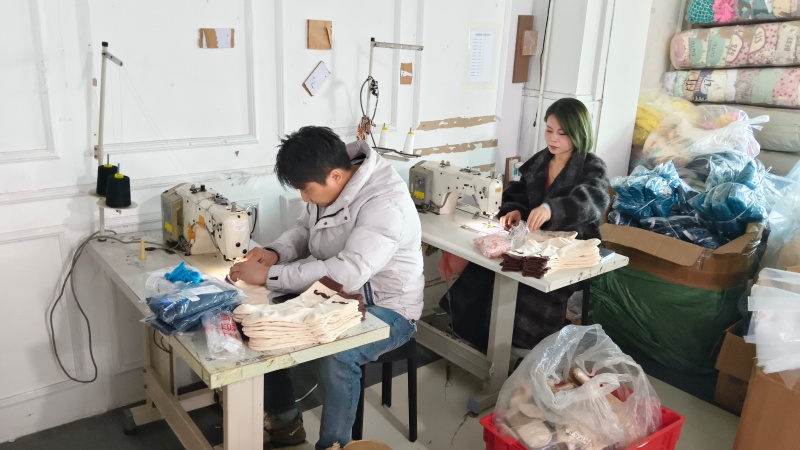
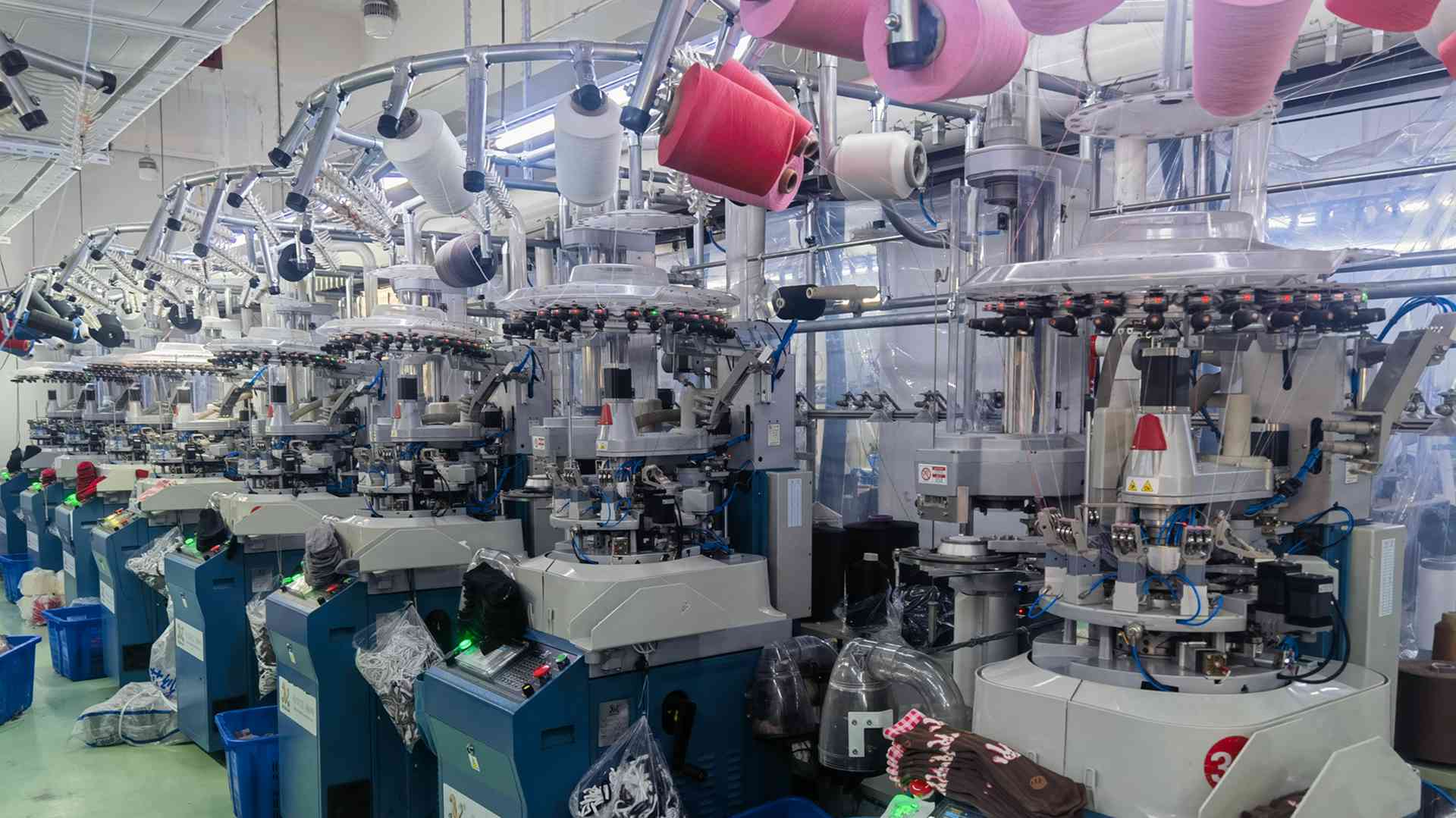
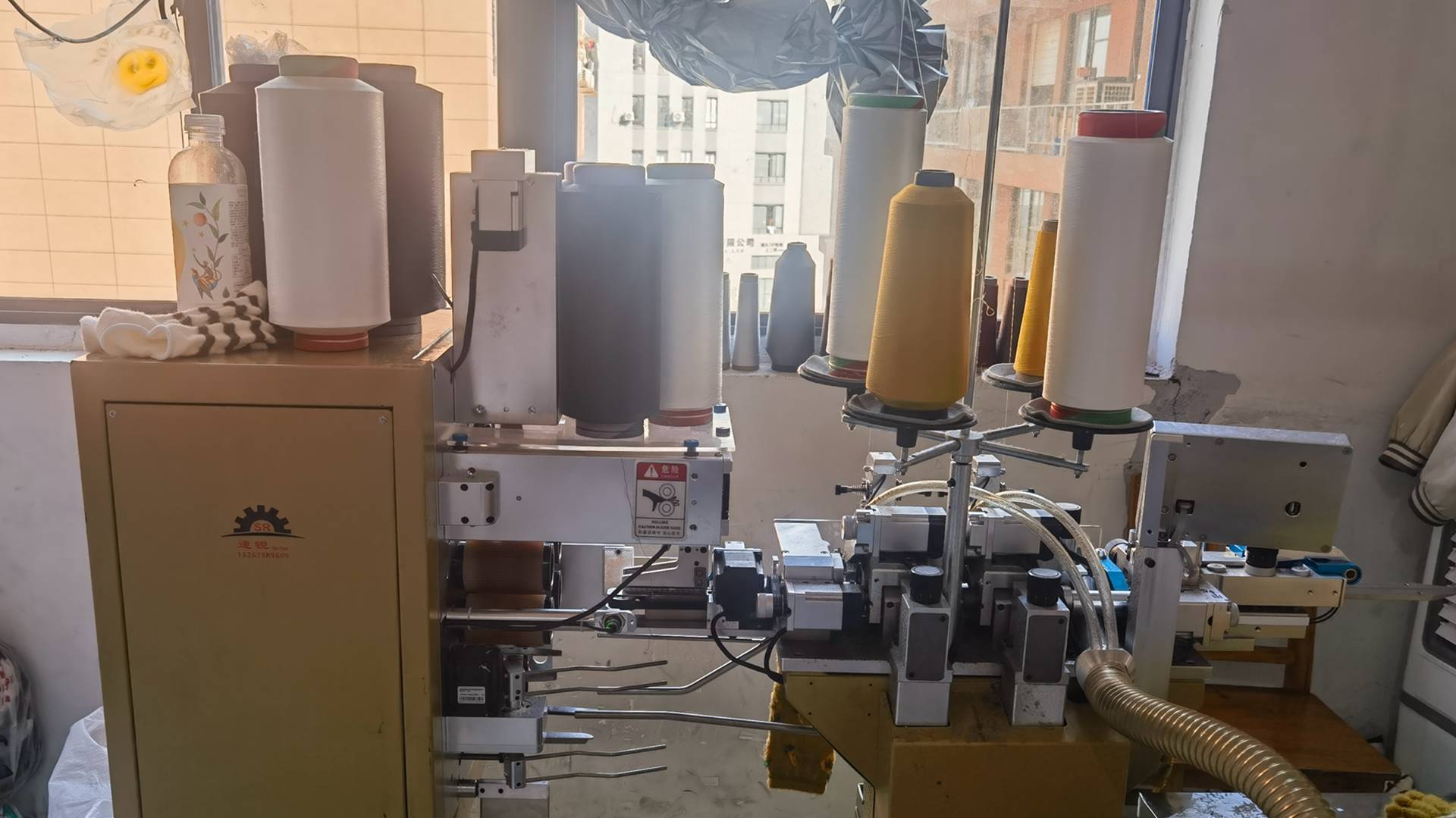
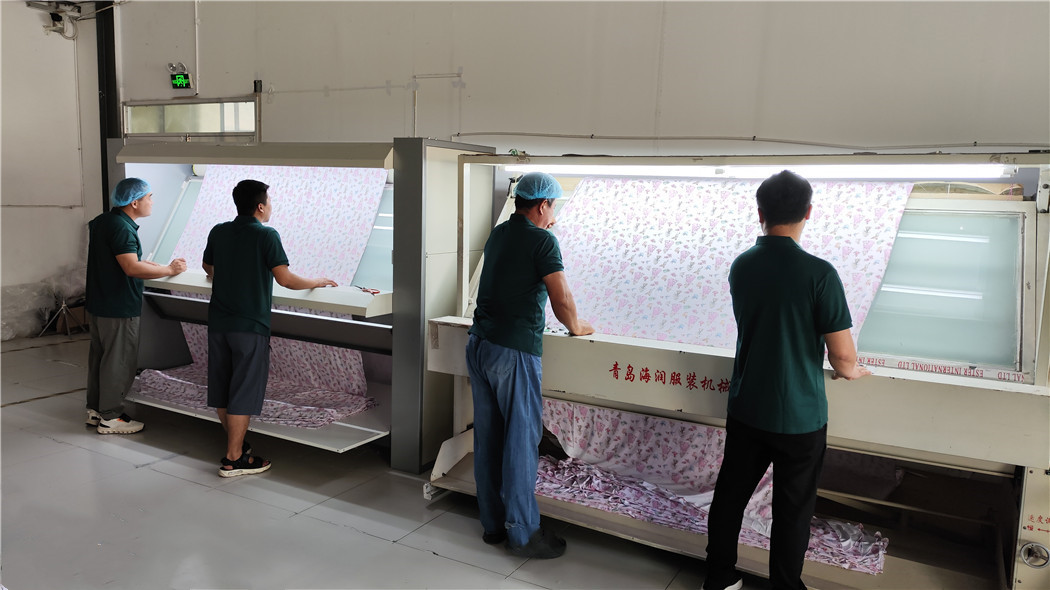
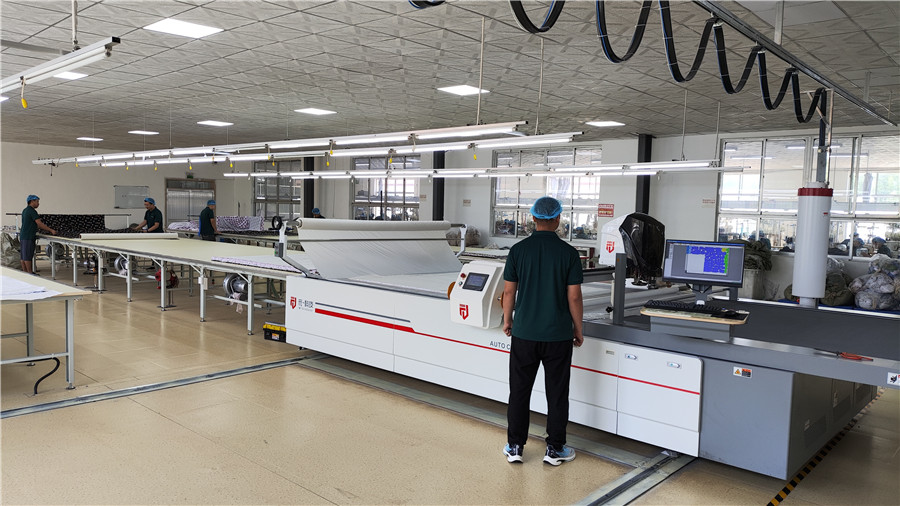
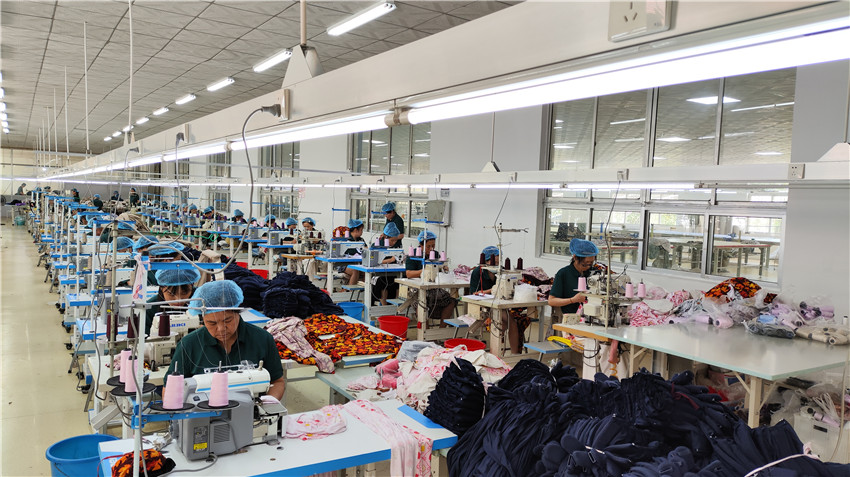
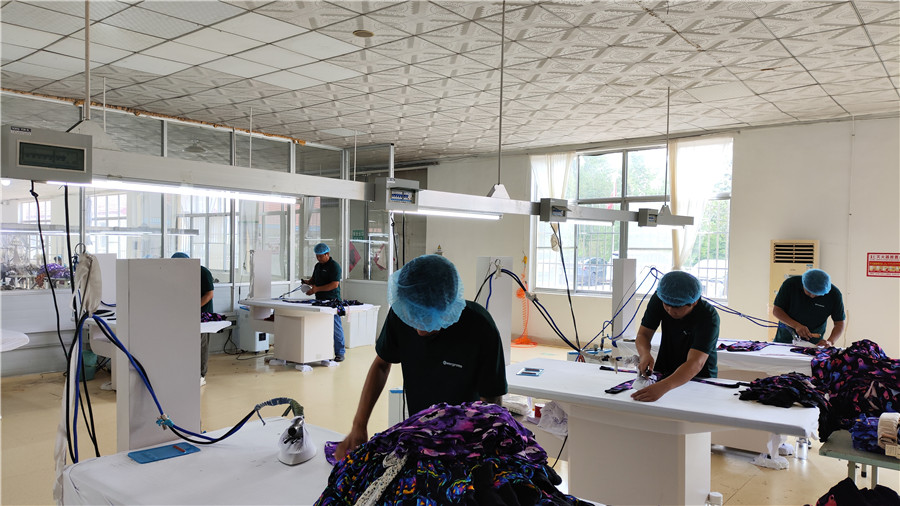
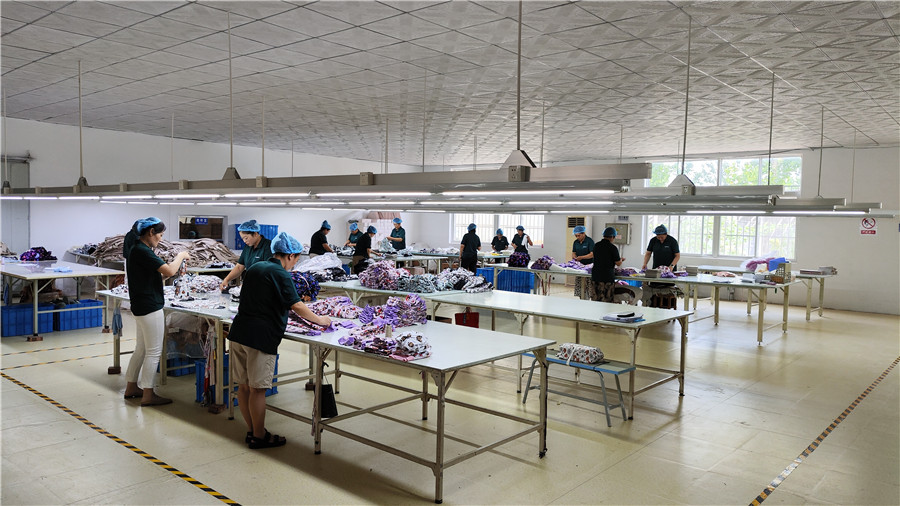
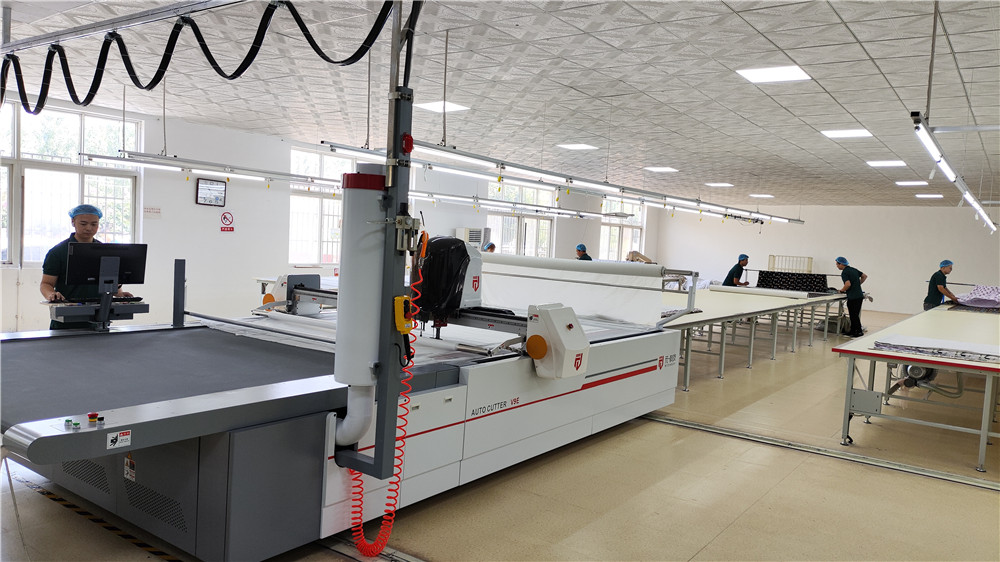
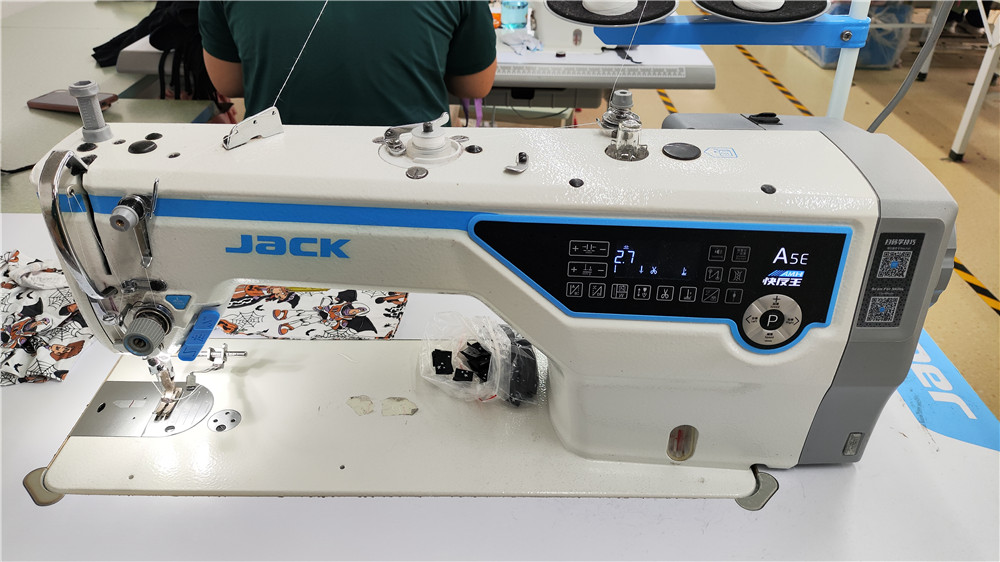
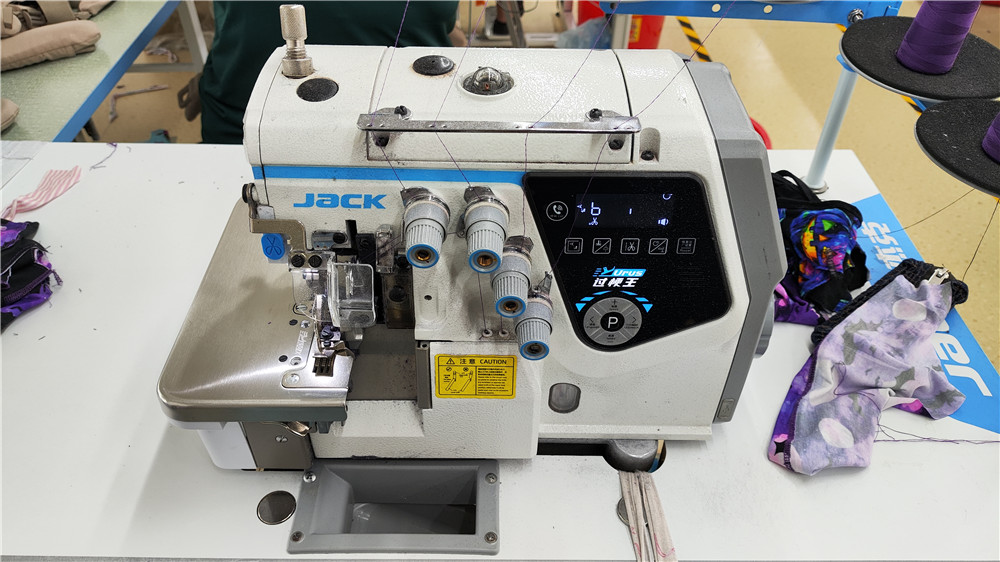
Our standard methodology for executing OEM/ODM collections, from prototype design to global logistics.
Analyzing style trends, defining measurements, and generating precise 2D/3D CAD models to optimize fabric yield and ensure a consistent fit.
Verifying fiber purity, checking chemical safety properties, and assessing physical parameters like tensile strength, weave density, and colorfastness.
Executing accurate fabric cuts using computer-controlled systems, followed by assembly on our high-efficiency stitching and overlock lines.
Conducting detailed visual checks, trimming excess threads, pressing garments, and passing all units through metal/needle detectors before packing.
Direct answers to the most common questions raised by brand managers, retail distributors, and sourcing agents.
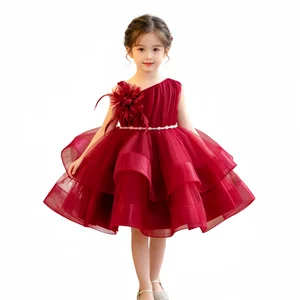
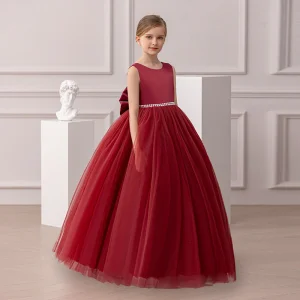
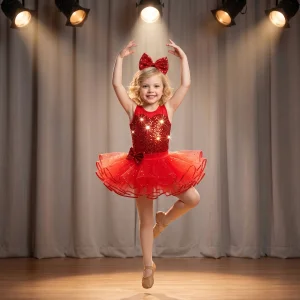
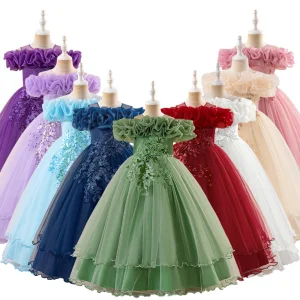
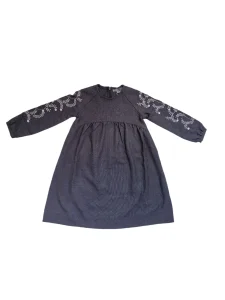
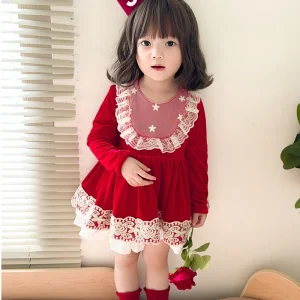
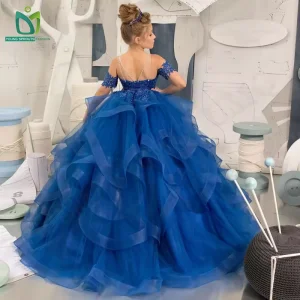
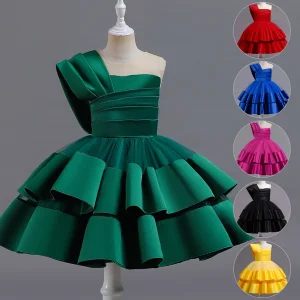
High-end tulle, sequins, and velvet designs engineered for formal events, holiday celebrations, and retail displays.
 Darias Dress