For many young girls, wearing princess dresses is a beloved rite of passage. The question arises: when do girls stop wearing princess dresses? This transition can vary widely among individuals, shaped by cultural, social, and personal influences. Often, girls begin to embrace other styles around the age of six or seven. However, this is not a hard rule.
Some girls may cling to their princess fantasies longer, finding joy and comfort in these whimsical outfits. They may resist the shift towards more 'grown-up' attire. This can be a form of self-expression. The love for princess dresses reflects a stage of innocence and imagination. It is crucial to recognize that every child’s journey is unique. Some may face peer pressure, while others might simply outgrow the phase naturally.
Parents and caregivers play a vital role in this transition. Their support can help young girls navigate their changing interests and self-image. Conversations about style and identity can foster confidence in future choices. Ultimately, the question "when do girls stop wearing princess dresses" opens a door to understanding personal development and the complexities of growing up.
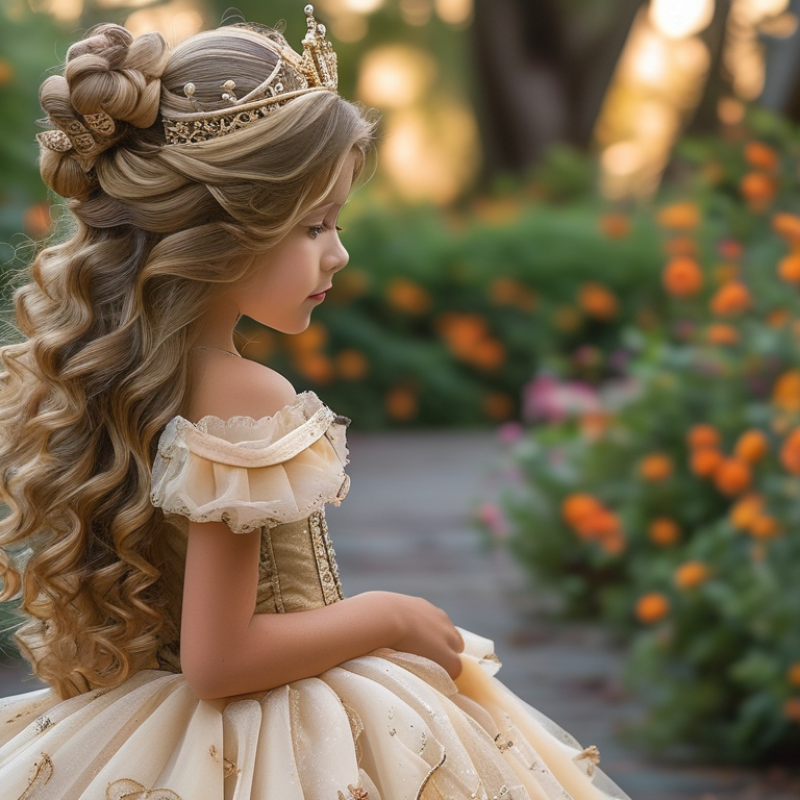
As girls grow up, their attachment to princess dresses can fluctuate. Several factors influence these feelings.
Cultural norms often play a role. Media portrayals of princesses can create strong connections. Girls sometimes embrace these characters and their stories.
However, as they mature, other interests may emerge.
Family dynamics also shape preferences. Encouragement from parents can either support or diminish this attachment. If parents embrace imaginative play, girls may cling to those beloved dresses longer.
Conversely, pressure to conform to societal expectations may push them away from these fantasies.
Tips: Encourage open expression. Allow your child to explore their interests, whether in princess dresses or other activities.
Validate their feelings about clothing choices. Remember, it's okay to have mixed emotions about certain outfits. Childhood is a time of exploration, and comfort with one's identity is crucial.
As girls grow, their interests and identities evolve. The transition from princess dresses typically begins around age 6 to 8. At this stage, many girls start to look for their own personal style. They might still enjoy dressing up, but the focus often shifts. They may choose characters from their favorite shows or explore different themes that resonate with them.
By age 10, this shift becomes more pronounced. Many girls express a desire for comfort and individuality. They might favor casual wear over princess costumes for everyday play. Peer influence also plays a crucial role here. Girls may feel the pressure to conform to societal expectations. This change can lead to a mix of feelings; excitement for new styles and nostalgia for childhood favorites.
Parents should acknowledge this transition. It can be challenging, as some girls may cling to their princess phase longer. Supporting their choice of attire can boost confidence. Encouraging self-expression through various styles helps them navigate this change. Understanding that this shift is natural can make the process smoother for both girls and their guardians.
As girls grow up, the transition away from princess dresses often reflects deeper social influences. Peer pressure can start at a young age. Girls may feel the need to conform to societal expectations. During playdates or school events, they observe what others wear. This can push them away from imaginative clothing. The desire to fit in often outweighs the joy of dressing up.
It's crucial to encourage individuality. Parents can support self-expression by providing options. Allowing girls to choose their outfits fosters confidence. Consider introducing themes that resonate with their interests. Whether it's fairytales or favorite characters, offer a variety that still allows for creativity.
Encouraging creativity isn't always straightforward. Some girls might resist change or feel scared about their choices. It's important to communicate. Talk about the emotions tied to clothing choices. This openness can help build understanding. Remind them that clothes can still be fun at any age. Fashion can evolve while still capturing the spirit of childhood play.
This chart illustrates the percentage of girls who continue to wear princess dresses as they grow older. It shows a significant decline in interest, with most girls outgrowing this trend by the age of 12. Social influences and changing interests play a key role in these dress choices.
As girls grow, their clothing choices evolve. Initially, the appeal of princess dresses encompasses fantasy and identity. These outfits allow young girls to express their dreams and aspirations. However, as they mature, their preferences often shift toward comfort, practicality, and individual expression.
This transition is deeply influenced by personal identity development. Adolescents begin to explore who they are beyond the princess narrative. They gravitate toward styles reflecting their interests and personalities. Social dynamics and peer groups play a vital role as well. Many girls feel pressure to conform to specific trends or societal expectations. This can complicate their journey of self-discovery.
Some may cling to these childhood fantasies longer than others. Others may find it difficult to let go of their inner princess. This disconnect can lead to confusion about identity. The clothing drop often mirrors self-esteem and societal validation. It’s essential to recognize that identity and clothing are not linear. Each girl's timeline varies, as do their styles. Understanding this complexity enriches our appreciation of personal growth.
Cultural attitudes toward princess dresses vary widely across different regions and societies. In many Western cultures, little girls often wear these dresses until around the age of seven. Research indicates that approximately 65% of girls show less interest in princess attire after this age. Peer influence becomes significant during this transition. As children enter school, social dynamics shift expectations about clothing choices.
In contrast, some cultures embrace the princess concept longer. For instance, Asian countries may see girls wearing themed dresses for festivals or special occasions well into their early teens. A study found that 40% of respondents aged 12 to 14 still enjoyed dressing up, citing it as a way to connect with cultural traditions. These choices reflect a blend of personal identity and community values.
Gender socialization plays a crucial role. Girls often feel pressure to conform to societal norms. This pressure can lead to a reluctance to express interests in dressing up. Interestingly, psychological research suggests that wearing dresses can enhance creativity and imagination. However, societal expectations can overshadow this, leading to self-doubt about continuing to wear these outfits. The interplay of age, culture, and societal pressures makes this topic intricate and deserving of reflection.
t what age do girls typically start to transition from princess dresses?
Preferences shift towards comfort, practicality, and individuality instead of fantasy-based dresses.
Personal identity development and peer influences play crucial roles in shaping their style.
No, some may cling to princess dresses longer, leading to mixed feelings about their identity.
Support boosts confidence and encourages self-expression through various clothing choices.
Excitement for new styles can mix with nostalgia for childhood favorites.
Many girls feel compelled to conform to trends and societal expectations, complicating their self-discovery.
Yes, the evolution of clothing can mirror self-esteem and desire for societal validation.
Recognizing that identity and clothing development are not linear helps appreciate each girl's unique path.
The article "When Do Girls Stop Wearing Princess Dresses as They Grow Up?" explores various factors that influence girls' attachment to princess dresses throughout their childhood. It identifies a typical age range for the transition away from these costumes, highlighting that many girls start to move on from them around the ages of 6 to 8. Social influences play a significant role in shaping dress choices, as peer perceptions and cultural norms impact how girls view these outfits.
Furthermore, the article analyzes how personal identity development affects clothing preferences, suggesting that as girls grow and explore their identities, they may shift towards styles that align more closely with their evolving sense of self. It also emphasizes the cultural perspectives on the use of princess dresses across different ages, revealing that the significance of such attire varies widely depending on cultural context. Overall, the article provides insight into the question of when do girls stop wearing princess dresses, illustrating a complex interplay of personal, social, and cultural factors.
