When it comes to dressing up, toddler princess dresses are a beloved choice. These enchanting outfits spark imagination and delight in little ones. However, many parents wonder why are toddler princess dresses so itchy? The answer lies in various factors that go beyond mere aesthetics.
The fabric used in many princess dresses often contains synthetic materials. These materials can irritate sensitive skin, leading to discomfort. Additionally, the design and construction of the dresses may feature scratchy seams or embellishments. While these details add a magical touch, they can also be the source of irritation.
Parents should consider the balance between beauty and comfort. It’s crucial to prioritize the child's well-being while fulfilling their desire to dress like their favorite characters. Recognizing the potential discomfort can lead to better choices. There are options available that combine both style and comfort, ensuring that playtime remains joyful.
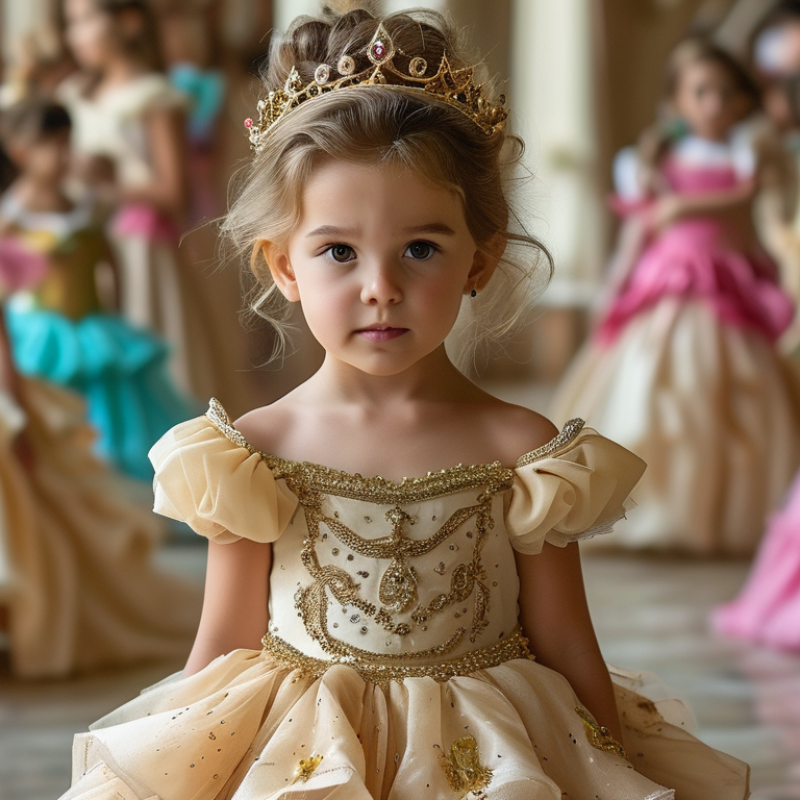
When it comes to toddler fashion, many parents face the challenge of finding comfortable clothing. Toddler skin is particularly sensitive, making them more prone to irritation. Studies indicate that around 30% of young children experience skin sensitivity issues. Fabrics like polyester and nylon are often used in princess dresses, yet these materials can exacerbate itchiness.
Skin experts recommend natural fabrics such as cotton to minimize irritation. A report by the American Academy of Dermatology highlights that breathable materials significantly reduce skin reactions. However, the allure of synthetic fabrics remains tempting due to their vibrant colors and patterns. Yet, the trade-off may lead to discomfort, causing toddlers to fuss and become irritable.
Parents often overlook the tags that detail fabric composition. Many dresses also feature embellishments that can rub against delicate skin. It's essential to choose clothing carefully, balancing aesthetics with comfort. While a beautiful dress may seem ideal, the wrong fabric choice can lead to a day filled with tears instead of twirls. Adjusting fabric choices might make all the difference in a toddler's experience, prompting a deeper reflection on what truly matters in children's clothing.
When it comes to toddler princess dresses, fabric choice plays a crucial role in comfort. Common materials include polyester, cotton blends, and tulle. Each fabric has unique properties that can affect how itchy a dress feels against delicate skin.
Polyester, for instance, is cheap and durable but may cause irritation due to its synthetic nature. According to the American Academy of Pediatrics, synthetic fabrics often do not breathe well, leading to discomfort.
Cotton blends offer a better alternative, providing softness and breathability. However, blends with high polyester content can still cause itching. A recent textile study noted that around 35% of children reported discomfort while wearing polyester-based clothing. On the other hand, tulle, often used in layers, adds a whimsical touch but can result in a prickly sensation.
Parents should inspect dress labels carefully. High-quality cotton usually ensures less irritation. Techniques like garment washing with softeners may reduce itchiness. It is important to acknowledge that preferences can vary greatly among children. Observing how a child reacts to different fabrics can help in making the best choice for their comfort.
When choosing toddler princess dresses, parents often overlook the design elements that can cause discomfort. Many of these dresses are made with synthetic materials that do not breathe well. This can lead to irritation. The seams and embellishments, though visually appealing, can be abrasive against delicate skin. Frills and layers also add weight and can restrict movement, contributing to an overall sense of itchiness.
Tips: Use dresses made from natural fibers like cotton. These fabrics allow for better airflow. Look for flat seams that minimize scratching. Pay attention to lining; a soft inner lining can prevent abrasiveness from seams.
Additionally, style plays a role in comfort. Dresses that are overly fitted can cause chafing. Ruffles can easily catch on skin, causing irritation during play. Parents should examine the cut and fit of the dress to ensure comfort. A looser fit typically offers more freedom and less friction.
Tips: Consider adjustable straps for a customized fit. Avoid overly heavy embellishments as they can weigh the dress down. Opt for simple designs that prioritize your child’s comfort while still feeling magical.
| Reason | Description |
|---|---|
| Fabric Type | Many dresses use synthetic fabrics that can irritate sensitive skin. |
| Seam Construction | Seams may be rough or poorly finished, causing discomfort when worn. |
| Embellishments | Decorative elements like sequins or beads can be scratchy against the skin. |
| Lining Quality | Poor quality lining can exacerbate itchiness instead of alleviating it. |
| Sizing Issues | Dresses that are too tight can rub against the skin causing irritation. |
| Allergen Presence | Certain dyes or finishes may contain allergens that trigger reactions. |
| Care Instructions | Improper laundering can leave irritants like detergent residue on fabrics. |
| Design Complexity | Intricate designs may use more seams and materials that irritate the skin. |
| Weather Considerations | Dress designs may not consider seasonal comfort, leading to itchiness in heat. |
| Age Appropriateness | Styles meant for older children may not suit the sensitivity of toddlers' skin. |
When selecting toddler princess dresses, comfort is often overlooked. Many dresses are made from synthetic fabrics that can irritate sensitive skin. A rough texture can lead to discomfort, causing little ones to fuss or complain. Instead of sticking to traditional dresses, consider breathable fabrics like cotton or linen for comfort.
Look for dresses with adjustable straps. This allows for a better fit as your child grows. Avoid embellishments that can scratch, like sequins and thick seams. Simplicity often wins when it comes to toddler clothing. Choose styles that don’t restrict movements, allowing kids to run and play freely.
Parenting is about balancing style and comfort. Sometimes, the cutest dress is not the most practical. Ask your child for their input; they may prefer a soft outfit over a frilly dress. It’s important to prioritize their comfort for happier playtime experiences.
Toddler princess dresses often come with rough seams and irritating fabrics. This itchiness can lead to discomfort for little ones. Parents can take steps to improve the wearing experience. Adjusting the inner seams can make a world of difference. Adding a soft lining can prevent direct contact with sensitive skin.
Consider using softer fabrics like cotton or bamboo. These materials are kinder to delicate skin. Parents might find that washing dresses multiple times can further soften the fabric. The addition of a layer of breathable material can reduce irritation. Ensuring a proper fit may also help minimize any unnecessary rubbing.
While it’s tempting to focus solely on aesthetics, comfort should not be overlooked. Sometimes, the most beautiful dresses can be the most uncomfortable. A little creativity can go a long way in keeping both the style and comfort intact. Always keep the little one's comfort in mind when selecting or modifying their outfits.
: Focus on natural fibers like cotton or bamboo. They allow better airflow and are gentler on the skin.
Heavy embellishments can weigh the dress down, causing discomfort. Choose simpler designs to prioritize comfort.
Yes, flat seams cause less scratching. Rough seams can irritate sensitive skin, so check seam quality.
A looser fit allows more freedom of movement. Adjustable straps can customize the fit for added comfort.
Washing dresses multiple times can soften the fabric. This reduces the likelihood of itchiness from rough materials.
No, comfort is essential. Sometimes the most beautiful dresses are also the most uncomfortable for kids.
Adding a soft lining or adjusting inner seams can ease discomfort. Small modifications can make a big difference.
Yes, with creativity, you can achieve both. Focus on simple designs while ensuring the garment stays pleasant to wear.
Toddler princess dresses are often cherished by young children for their vibrant colors and whimsical designs, but many parents wonder, "why are toddler princess dresses so itchy?" Understanding the sensitivity of toddler skin is crucial, as their delicate epidermis can react negatively to certain fabrics and design elements. Common fabrics found in these dresses, such as synthetic materials, may contribute to itchiness due to their coarse texture and lack of breathability.
The design of the dresses, including seams, embellishments, and layers, can further exacerbate discomfort. To help alleviate these issues, parents are encouraged to choose dress alternatives made from softer, more breathable fabrics, and consider modifications to existing dresses, such as adding a soft lining or removing irritating tags. By being mindful of fabric choices and dress design, parents can ensure their little ones enjoy wearing their princess attire without the discomfort of itchiness.
