Static cling can turn a lovely girls’ dress into a frustrating daily problem. A skirt may crackle when lifted, grip tights at the knees, or pull toward a metal chair. Many parents ask, “why does my girls dress static cling and how to fix it”? The answer usually involves fabric, dryness, friction, and laundering habits. Synthetic fibers, especially polyester, build and retain electrical charge more easily than many natural fibers. Textile Exchange’s 2024 Materials Market Report identifies polyester as the world’s dominant fiber, representing roughly 59% of global fiber production in 2023. That statistic helps explain why static is common in modern children’s clothing.
Dry air makes the problem worse. Indoor humidity below comfortable levels can increase charge accumulation, while rubbing against tights, car seats, and fleece creates more friction. Professional textile testing standards, including AATCC TM76, measure electrical resistance and help manufacturers evaluate how fabrics conduct or retain charge. However, laboratory performance does not always match a child’s real afternoon. A dress may behave perfectly in a showroom, then cling after ten minutes in a heated room.
This guide combines textile science with practical household experience. It examines fabric labels, washing temperature, drying methods, body-safe moisture, and quick fixes for school mornings. A light mist of water can help. So can a metal hanger, fabric softener, or a cotton slip, depending on the material and skin sensitivity. Not every solution works equally well. That is worth admitting. Test a small hidden area first, avoid spraying products directly onto a child’s skin, and choose the gentlest effective method.
Understanding Why Static Cling Happens on Girls’ Dresses
2026 How to Fix Static Cling on Girls Dresses
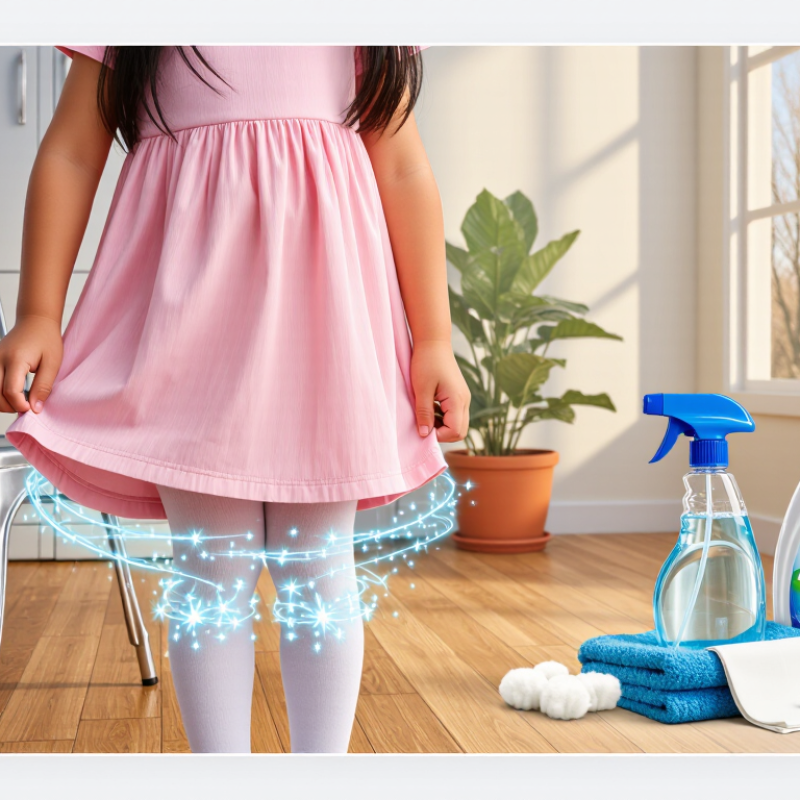
Static cling on girls’ dresses is usually an electrical problem, not a fabric defect. When two materials rub, electrons can move from one surface to another. The dress then holds a small imbalance of charge. This charge attracts nearby skin, tights, or other fabric. That is why a skirt may lift while walking or cling around the knees. The cause is ordinary. Dry air makes the effect stronger. Indoor heating often lowers humidity, especially in winter.
Fabric type matters too. Polyester, nylon, and acrylic tend to build static more easily than cotton or linen. Their smooth fibers allow charge to remain on the surface. Friction from sitting, dressing, or sliding across a car seat adds more charge. Clean, dry skin can increase the pull because less moisture disperses it. I once blamed the tights alone, but the dress, air, and movement were all involved. That explanation is more useful than blaming one material.
A practical check starts with the environment. Notice whether cling appears after the dryer, in a heated room, or after quick movement. Touching a grounded metal object may release the charge briefly. A little humidity can help, while over-drying can worsen it. I have found that a slightly damp hand sometimes reduces cling, though it is not a complete fix. Results vary because fabric blends and personal movement differ. Testing one change at a time gives clearer evidence.
Checking the Dress Fabric and Surrounding Conditions
2026 How to Fix Static Cling on Girls Dresses
Checking the dress fabric is a practical starting point. Synthetic fibers often create more static because they absorb little moisture. Polyester, nylon, and acrylic may cling after rubbing against tights or a car seat. Cotton and linen usually produce less static, although blends can behave differently. Read the care label carefully. It often reveals the fiber content and safe washing instructions.
Touch the dress after walking across a dry carpet. Notice whether the fabric crackles or pulls toward your legs. A quick test helps. Rub the inside lightly with a clean cloth, then check for cling. This is not a laboratory method, but it can expose a fabric problem before wearing. I once blamed the dress, yet the tights caused most of the trouble.
Surrounding conditions matter just as much. Heated rooms, winter air, carpets, and dry car interiors reduce moisture around the fabric. Static becomes worse there. A room humidifier may help when indoor air feels unusually dry. Keep the humidity moderate, not damp. Let the dress hang away from synthetic blankets and plastic covers. If the garment feels rough after washing, review the detergent amount and drying method. Over-drying may increase cling. My own results were inconsistent at first, so I now check the dress, tights, shoes, and room together. Corsets.
Removing Static Cling Safely at Home
2026 How to Fix Static Cling on Girls Dresses
Static cling can make a girls’ dress stick to tights, legs, or underskirts. Safe home care starts with the fabric label. Synthetic materials often build more static in dry rooms. Hang the dress on a metal hanger for a few minutes. This may help discharge some electricity. You can also lightly mist the inside with clean water. Keep the fabric slightly damp, not wet. Test a hidden seam first, especially on dark or delicate dresses.
Tips: Rub a clean, dry metal hanger gently over the inside of the dress. A small amount of fragrance-free lotion on the legs can reduce friction. Let it absorb fully before dressing. Never apply oily products directly to the fabric. They may leave visible marks. If the care label permits machine drying, add a slightly damp cloth for a short cycle. Remove the dress promptly.
Avoid pulling the fabric sharply. That can stretch thin seams and create new wrinkles. I once used too much water on a lightweight skirt, and the cling disappeared only after the fabric dried unevenly. A lighter mist would have been better. If static returns, increase room humidity with a safe humidifier. Keep electrical devices and water separated. Persistent cling may also signal rough tights, dry skin, or unsuitable layering. Adjust one cause at a time.
2026 How to Fix Static Cling on Girls Dresses - Removing Static Cling Safely at Home
| Method |
Best Use |
How to Apply It |
Typical Time |
Safety Notes |
| Increase room humidity |
Dry indoor air and repeated static cling |
Run a clean cool-mist humidifier nearby. Keep the dress dry and do not direct mist onto the fabric. |
15–30 minutes |
Clean the humidifier as directed and avoid excessive room moisture, which can encourage mold. |
| Lightly dampen the inside |
A quick fix before dressing |
Use clean water in a fine-mist spray bottle. Apply a very light mist to the inside of the skirt or lining, then let it air-dry briefly. |
2–5 minutes |
Test a hidden area first. Avoid soaking delicate trims, beads, dark dyes, or fabrics that water-spot easily. |
| Run a metal hanger over the fabric |
Small areas of cling on washable everyday dresses |
Move a clean metal hanger slowly over the inside of the dress without scraping or stretching the fabric. |
1–2 minutes |
Use a smooth, rust-free hanger. Do not use one with sharp edges, exposed coating, or rough welds. |
| Touch grounded metal first |
Preventing a small shock while putting on the dress |
Touch an unpainted metal object, such as a metal door handle, before touching the dress or the child. |
A few seconds |
Do not touch electrical outlets, plugs, appliances, or damaged wiring. |
| Use a clean damp cloth |
Cling concentrated around the hem or lining |
Wipe the inside of the dress gently with a clean, barely damp microfiber or cotton cloth. |
2–5 minutes |
Do not rub vigorously. Stop if dye transfers to the cloth or the fabric develops water marks. |
| Adjust the laundry routine |
Reducing recurring static after washing |
Follow the care label, avoid overdrying, remove the dress promptly, and air-dry when permitted. |
One laundry cycle |
Use the lowest suitable heat. Heat can shrink, weaken, or damage some synthetic and delicate fabrics. |
| Use fabric softener only if allowed |
Washable fabrics with care-label approval |
Add the product during the rinse cycle according to its label; never pour concentrated softener directly onto the dress. |
One rinse cycle |
Keep laundry products away from children. Avoid use on garments labeled “do not use softener” or on flame-resistant sleepwear. |
Fabric check before treatment:
Read the care label and test any moisture-based method on an inconspicuous area first. For silk, velvet, embellished dresses, dry-clean-only garments, or uncertain fabrics, use gentle handling and follow the care instructions rather than applying household products.
Choosing Anti-Static Clothing Care Products Wisely
How to Fix Static Cling on Girls Dresses
Choosing Anti-Static Clothing Care Products Wisely
Static cling usually worsens when dry air rubs synthetic fabric against tights or skin. I once used too much softener on a party dress. The fabric felt greasy, not softer. A better approach is choosing an anti-static product for the garment’s fiber, not its fragrance.
Check the care label first. For polyester or nylon, use a light anti-static spray on the inside hem. Hold the bottle about 20 centimeters away. Test a hidden seam before treating the whole dress. Avoid spraying sequins, delicate trims, or damp skin. For washable dresses, a measured fabric conditioner can reduce friction, but excess residue may attract dust. Fragrance-free options are often more practical for children with sensitive skin, although “natural” does not automatically mean gentler.
Product transparency matters beyond comfort. The U.S. EPA’s Safer Choice program reviews chemical ingredients and product performance, giving shoppers a useful screening point. AATCC testing methods also measure electrostatic behavior in textiles, so look for products supported by clear testing information. The 2024 Textile Exchange Materials Market Report estimated global fiber production at 124 million tonnes in 2023, with growth projected toward 160 million tonnes by 2030. Careful product use can reduce unnecessary rewashing. WRAP reports that extending clothing life by nine months could cut carbon, water, and waste footprints by about 20–30%. Small choices matter. Sometimes, though, a metal hanger and more room humidity work better than another bottle.
Conclusion
Static cling on a girl’s dress is usually caused by friction, dry air, and synthetic fabrics that build up an electrical charge. If you are wondering, “why does my girls dress static cling and how to fix it,” start by checking the fabric label and the surrounding conditions. Polyester, nylon, and other man-made fibers often cling more than natural materials, especially during dry weather. To remove the cling safely at home, gently separate the fabric, lightly dampen your hands, or run a clean metal hanger over the inside of the dress. Avoid harsh treatments, especially on delicate fabrics.
Prevention begins during washing and drying. Use a suitable laundry product, avoid over-drying, and remove the dress while it is still slightly damp when appropriate. Air-drying can also reduce friction and static buildup. When choosing anti-static clothing care products, select options designed for the garment’s fabric, follow the care label, and test a small hidden area first. Proper storage and breathable layering can further help keep the dress comfortable and static-free.

 Darias Dress