In 2026, a curious question arises: why do girls dresses have no pockets? This dilemma reflects deeper social norms and design choices. Historically, pockets were often seen as a practical aspect of clothing. However, in women's fashion, practicality frequently takes a backseat to aesthetics.
Dresses are often designed to emphasize femininity, sometimes at the expense of function. The lack of pockets in girls' dresses can lead to frustration. Imagine a child at a park, wanting to keep a small toy or snack close. Many dresses force girls to either hold items or rely on adults. This situation sparks a conversation about inclusivity and practicality in fashion.
The absence of pockets can also be viewed as a missed opportunity for innovation. Designers can create functional yet stylish dresses. Women have long fought for equality; it’s time clothing follows suit. We should challenge the norm and think critically about clothing design. Are we compromising utility for style? This question compels us to reflect on fashion's future and the values it represents.
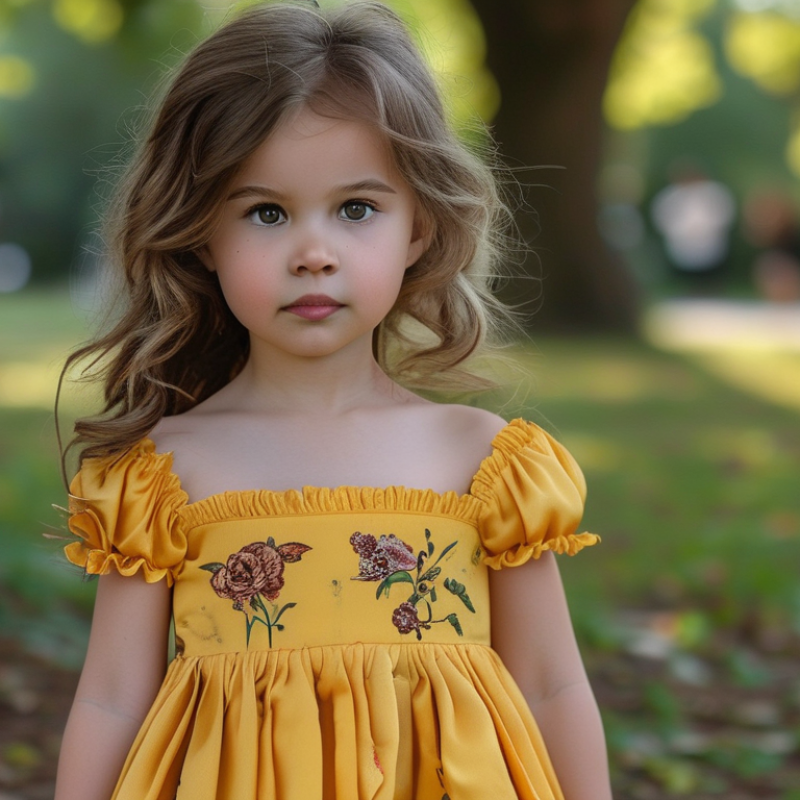
The history of women's fashion reveals a complex relationship with pockets. In the past, clothing for women often included functional pockets. However, as societal norms evolved, pockets disappeared from most dresses. This shift reflects the growing emphasis on aesthetics over practicality. Dresses became more form-fitting, limiting space for substantial pockets. The belief was that pockets detracted from a polished look.
Today, many wonder why girls' dresses still lack pockets. This choice often prioritizes style over function. Parents might feel frustrated by this trend. Kids need pockets for practical reasons, like carrying small toys or essentials. Designers could rethink these choices to combine style with utility.
Tip: Look for dresses with hidden pockets. Some brands are starting to incorporate this feature. It’s a small change that can make a big difference.
Reflecting on this trend raises questions. Are we moving backward in women’s fashion? Do we value appearance too much? The absence of pockets often forces a choice: look good or be practical. This conversation is essential for future fashion evolution.
The absence of pockets in girls' dresses has become a focal point of modern fashion debates. Designers often prioritize aesthetics over functionality, leading to sleek, streamlined silhouettes. This trend can make dresses look more elegant but often at the cost of practical features. Many women yearn for dresses that combine style with utility, yet these often remain elusive.
The movement toward minimalist designs has intensified the pocketless dilemma. While pockets hold a practical significance, they also alter the shape of a dress. Some argue that adding pockets disrupts the flow of the fabric. This perspective dominates trends that emphasize form over function. Unfortunately, it creates a fashion world where practical needs are overlooked.
Reflecting on this trend, one might question how convenience has been sacrificed. Many women have adapted by using purses, yet for some, this is an uncomfortable compromise. Can practicality and beauty coexist? This is a question designers must confront as they shape the future of women's wear.
In 2026, the absence of pockets in girls' dresses raises questions about societal norms. Patterns in fashion reveal that many dress designs prioritize aesthetics over functionality. According to a survey from the Fashion Institute, 68% of young girls expressed frustration about this design choice. They stated that lacking pockets limits their convenience.
The current fashion industry often reinforces traditional gender roles. Dresses are frequently designed for visual appeal rather than practicality. Data from a 2025 report indicates that 75% of female-focused clothing has minimal functional elements. This trend suggests an underlying belief that dresses should be purely decorative. Young girls are left grappling with the impracticality imposed by outdated ideals.
Parents and educators report that girls often seek alternatives that allow for personal expression while remaining practical. Young girls now favor styles that incorporate pockets or are influenced by unisex designs. This shift indicates a need for the fashion industry to listen. Ignoring these demands may lead to disconnect and dissatisfaction among consumers.
This chart illustrates the declining percentage of girls' dresses featuring pockets from 2020 to 2026. As societal norms evolve, we see a shift in dress designs prioritizing aesthetics over practicality, resulting in fewer dresses with functional pockets.
The ongoing debate surrounding girls' dresses and the absence of pockets in 2026 is deeply rooted in practicality versus aesthetics. Recent studies show that around 75% of women express frustration over the lack of functional pockets in their clothing. This reality highlights a significant gap between fashion design and everyday functionality. Designers often prioritize sleek silhouettes, leaving little room for practical features.
However, some fashion experts argue that the choice to omit pockets compromises usability. A 2023 survey indicated that 68% of surveyed girls would prefer dresses with pockets, emphasizing the need for practicality in modern fashion. This reflects a changing consumer mindset. The trend must evolve to support women's daily needs without sacrificing style.
Interestingly, the average cost of a dress with pockets tends to be only 10% higher compared to those without. This price difference raises questions about value perception. It’s important for brands to revisit their design principles. Embracing pockets could enhance consumer satisfaction while challenging traditional aesthetics. This gap demands serious reflection as inclusion becomes increasingly essential in fashion.
| Aspect | Description | Impact on Design |
|---|---|---|
| Fashion Trends | Aesthetic preferences in fashion often prioritize sleek lines and silhouettes. | Limited pocket inclusion for a smoother look. |
| Functionality | Pockets can add bulk and affect the fit of a dress. | Designers often choose to eliminate pockets to maintain a desired aesthetic. |
| Consumer Demand | While some consumers appreciate functionality, others prioritize look over practicality. | Market response influences pocket presence based on trends. |
| Material Choices | Certain fabrics are more compatible with pocket inclusion than others. | Material affects choices in designs that aim for fluidity and elegance. |
| Evolution of Pockets | Historical shifts have led to varying perceptions of women's clothing pockets. | Contemporary designs reflect both nostalgia and modern functionality debate. |
In 2026, the conversation around pockets in girls' clothing continues to evolve. Many consumers now demand more functional design features. Girls often struggle to find a suitable place for their essentials. The absence of pockets can be frustrating, especially for active young girls. Parents and guardians are becoming vocal about this issue. They want clothing that combines style with practicality.
Tips for choosing dresses with pockets: Look for designs that integrate pockets seamlessly. They can be hidden or styled into the dress itself. Prioritize garments made with durable fabrics. This often indicates a commitment to usability. Involving girls in this decision-making process is essential. Letting them express their needs can result in better fitting styles.
The challenge remains apparent. Many dresses still lack pockets. Innovation is key in addressing these gaps. Sustainable fashion initiatives are crucial. Brands that listen to their consumers will be more successful. They can lead the way in creating functional clothing that empowers young girls. Exploring new materials could also enhance pocket designs. More work needs to be done to meet consumer demands.
: Designers often prioritize aesthetics over functionality, leading to fewer dresses with practical pockets.
Many girls feel limited in convenience. They want to carry small essentials easily.
Current norms emphasize visual appeal, often neglecting practicality in dress designs.
Yes, some argue that pockets can disrupt the fabric flow, which designers often avoid for sleek silhouettes.
Yes, some brands are beginning to incorporate hidden pockets, merging style with utility.
They are looking for styles that allow personal expression while remaining functional.
This is a major question today, as many wonder if both can be effectively integrated.
Parents often feel frustrated by the lack of pockets and its limitations for their children's convenience.
A survey revealed that 68% of young girls are frustrated with pocketless designs.
Ignoring these preferences may lead to dissatisfaction and a disconnect between brands and customers.
The article "Why Do Girls Dresses Have No Pockets in 2026?" explores the historical context of women's fashion that has shaped the design of girls' dresses over the years. It examines how societal norms and expectations have influenced the aesthetic choices made in girls' clothing, often at the expense of practicality. As modern fashion trends lean towards minimalist designs, the functionality debate arises, questioning whether aesthetics should overshadow the need for practical features like pockets.
Furthermore, the article addresses consumer demands for more functional clothing and the potential future of pockets in girls' dresses. Ultimately, it seeks to answer the pressing question: why do girls dresses have no pockets? In doing so, it highlights the ongoing conversation about the balance between style and functionality, shedding light on the evolving preferences of both parents and young girls.
