Choosing a dress for a sensory-sensitive girl requires more than matching colors, trends, or seasonal fabrics. The real question is how to choose a comfortable dress for a sensory sensitive girl without creating scratchy seams, tight waistbands, or distracting movement. Textile Exchange’s Materials Market Report 2024 recorded approximately 124 million tonnes of global fiber production in 2023. Polyester represented about 59% of that total. This matters because fiber content can influence heat retention, breathability, texture, and static. However, fiber labels never tell the complete comfort story.
Occupational therapist and sensory-processing researcher Winnie Dunn explains, “Sensory processing is the way we receive, organize, and use information from our senses.” Her framework encourages parents to observe, rather than guess. Does the child pull at her collar? Does she avoid lace, glitter, or stiff tulle? Does a hidden zipper feel like a pebble against her back? These small reactions are useful evidence. The National Eczema Association also reports that eczema affects more than 31 million Americans, reminding us that skin comfort and sensory comfort may overlap, but they are not identical.
A practical dress should feel soft, flexible, and predictable. Look for flat seams, covered labels, adjustable straps, and breathable fabrics. Wash the garment before trying it. Let the child touch it first. No checklist is perfect. I still get this wrong sometimes. A dress that feels gentle to one girl may feel unbearable to another. Comfort should therefore be tested through her words, posture, and willingness to move, not through appearance alone. Reliable choices come from listening, checking fabric details, and allowing refusal without pressure.
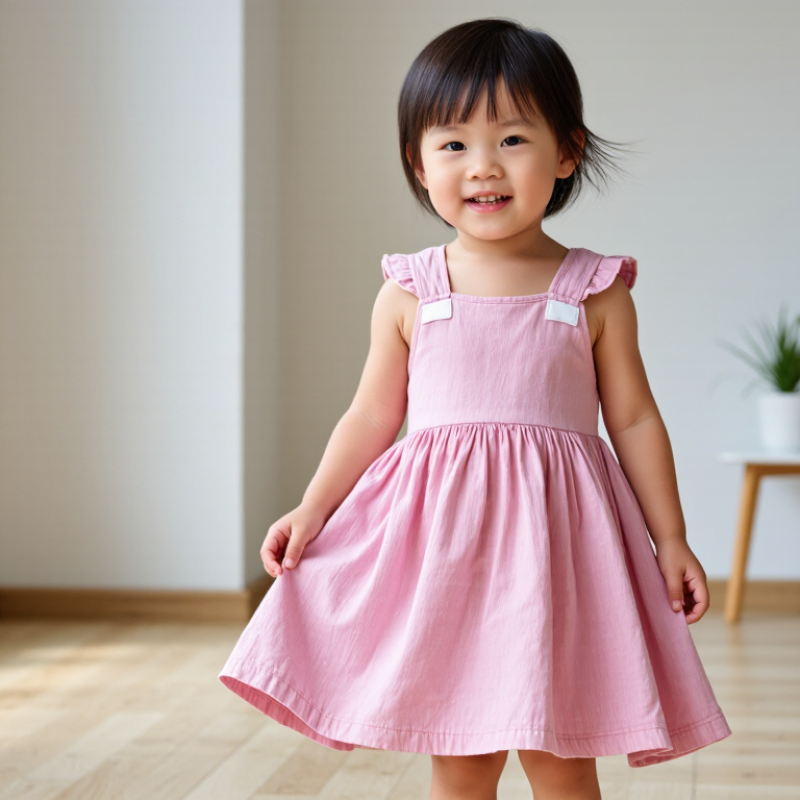
Choosing a dress for a sensitive girl starts with understanding her skin, not following a trend. The CDC’s 2021 National Health Interview Survey reported eczema in 12.7% of U.S. children aged 0–17. Sensitive skin is not identical to eczema, but the figure shows how common irritation-related needs can be. A dress may look soft yet feel scratchy after ten minutes.
Look for breathable fabrics, smooth seams, and loose movement around the shoulders and waist. Cotton or other lightweight fibers can help reduce heat buildup. The American Academy of Dermatology recommends fragrance-free products for children with easily irritated skin.
Washed fabric also matters. Use a mild, fragrance-free detergent, and rinse clothing thoroughly. Avoid stiff tags, rough lace, tight elastic, and glittery decorations touching the body.
Let her test the dress indoors before an event. Notice red marks behind the knees, repeated scratching, or complaints about warmth. These details are useful evidence, not bad behavior. A practical check is simple: can she sit, walk, and raise her arms comfortably? If not, the dress is not suitable, even when the size seems correct.
I have sometimes mistaken “soft-looking” fabric for genuinely comfortable fabric. That assumption needs questioning. Skin can react differently on hot days, after exercise, or during flare-ups. If irritation persists, consult a qualified healthcare professional rather than changing clothing alone.
A comfortable dress begins with the fabric touching the skin. Cotton, linen, and bamboo-based rayon can feel light and breathable in warm weather. Soft jersey knits also allow easy movement without stiff seams. Look for smooth surfaces, flexible waistbands, and labels that do not scratch. Avoid rough lace, tight elastic, and heavily decorated areas near the neck or underarms.
Check the fabric in natural light. Hold it against your wrist for several seconds. This small test can reveal scratchiness before a child wears the dress. Fragrance-free washing is also helpful, especially for girls with easily irritated skin. Dermatology guidance commonly supports gentle care, loose clothing, and breathable materials for reducing friction and trapped moisture. Still, every child reacts differently. “Soft” is not universal.
I once chose a beautiful dress with a silky lining, assuming it would feel comfortable. The lining became warm and sticky after a short walk. That mistake changed how I shop. I now inspect inner seams, waist stitching, and fabric thickness before considering color or style. A dress should remain comfortable while sitting, running, and playing. Try it at home first. Ask where it feels wrong. Sometimes the best choice is less attractive, but much kinder to sensitive skin.
A comfortable dress begins with fit, not decoration. Measure the chest, waist, and hip while she stands naturally. Compare those numbers with the garment’s measurement chart, not only the listed age. The 2004 SizeUK survey measured more than 11,000 adults and showed wide variation in body proportions. Age labels can mislead. Choose a relaxed shape when the waist or shoulders feel restrictive. Soft jersey, smooth cotton, and flat seams may reduce irritation. Avoid scratchy lace, stiff tulle, tight elastic, and heavy labels.
Size up when two measurements fall between sizes, but check the neckline and armholes. A loose dress should still stay secure during walking and play. For a sensitive girl, design details matter. Select wide straps, covered seams, breathable linings, and simple closures. Let her bend, sit, and raise her arms before removing the tags. The National Retail Federation and Appriss Retail reported a 14.5% U.S. retail return rate in 2023, valued at about $743 billion. Fit remains a practical problem, not a minor detail. Reports do not capture every child’s sensory experience, though. That limitation deserves attention.
Tips: Let her touch the fabric first. Try the dress over a familiar undershirt. Check seams near the neck and underarms. Keep a backup outfit nearby. A perfect chart cannot replace her feedback. If she says, “It scratches,” believe her, even when the dress looks beautiful.
Comfortable dresses usually need a little extra room so the child can move without pressure. These practical patternmaking ranges are starting points: measure over light clothing, then choose the larger size when the child is between sizes. Soft fabrics, flat seams, tag-free labels, and adjustable waist details can further reduce irritation.
Choosing a dress for a sensitive girl begins with a quiet inspection, not a pretty picture. Run your fingers along every seam. A raised ridge can scratch after an hour. Flat, soft stitching is usually gentler against the waist, shoulders, and underarms. Turn the dress inside out. Look for loose threads, bulky joins, and rough overlocking. I have learned that fabric softness alone proves very little. A smooth outer surface may hide abrasive construction inside.
Check labels carefully. Woven labels can feel like tiny paper cuts at the neck. Printed care information may be more comfortable, but test it against the skin. Fasteners also deserve attention. Metal snaps, stiff zippers, and hard buttons can press into the chest or back. Covering a zipper end with a fabric guard may help. Choose closures that open easily, especially when changing clothes becomes stressful. Small details matter.
Before wearing it outside, try the dress at home for twenty minutes. Watch for shoulder rubbing, heat, redness, or repeated pulling. Ask what feels wrong, without suggesting an answer. Her experience is useful evidence. A pediatric occupational therapist or dermatologist can help when reactions persist, but ordinary discomfort should not be dismissed. I sometimes overfocus on seams and miss sleeve tightness or trapped heat. Sensitivity varies by day, weather, and mood. Leave room for that uncertainty. A comfortable dress should allow movement, not require endurance.
A comfortable dress should feel calm against the skin, not merely look attractive. During fitting, let her touch the fabric and describe each sensation. Soft cotton or smooth, breathable blends often work well, but every child reacts differently. Check seams, labels, waistbands, and armholes with careful attention. A tiny scratch can become unbearable after several hours. I have sometimes trusted a fabric’s softness too quickly. Movement revealed the problem later.
Tips: Test the dress at home before wearing it outside. Ask her to sit, stretch, walk, and raise both arms. Watch for tugging, repeated pulling, or changes in mood. Trim irritating labels only after checking the garment’s care instructions. Keep a familiar undershirt nearby during the trial.
For all-day comfort, use a short practice session first. Try the dress for thirty minutes, then extend the time gradually. Check the neckline after play, because heat and sweat can increase irritation. Adjust loose straps, replace tight elastic, or add a soft layer when appropriate. Let her choose between two safe options. Her feedback matters more than an adult’s guess. If discomfort continues, stop the test and choose another design. One fitting may not be enough. Children grow, sensitivities change, and yesterday’s perfect dress may feel wrong today.
Cotton, linen, bamboo-based rayon, and soft jersey can feel breathable and gentle. Every child reacts differently.
Hold the fabric against her wrist for several seconds. Check it in natural light. Stop if it feels scratchy.
Rough lace, tight elastic, stiff seams, and scratchy labels may bother sensitive skin. Necklines and underarms need special attention.
No. A less attractive dress may feel kinder during walking, sitting, and play. Looks can mislead.
Ask her to sit, stretch, walk, and raise both arms. Watch for tugging, pulling, or sudden mood changes.
Try the dress for thirty minutes. Extend the time gradually if she remains comfortable. Do not rush it.
Check the neckline, waist, armholes, and inner seams. Heat and sweat can increase irritation. Tiny problems become louder later.
Adjust loose straps, replace tight elastic, or add a soft layer. Remove irritating labels only after checking care instructions.
Fragrance-free washing may help easily irritated skin. Use gentle care, and observe changes after each wash.
Stop the trial and listen to her feedback. Children grow, and sensitivities change. One fitting is not always enough.
Choosing a comfortable dress for a sensory sensitive girl begins with understanding her individual comfort needs, including sensitivity to texture, pressure, heat, and movement. When considering how to choose a comfortable dress for a sensory sensitive girl, prioritize soft, breathable, lightweight fabrics that feel smooth against the skin and allow air to circulate. Natural-feeling materials or carefully selected blends may help reduce overheating and irritation. The dress should have a relaxed yet secure fit, with enough room for movement without being too loose or restrictive. Consider simple designs, comfortable lengths, and adjustable features that support confidence and ease.
Before wearing the dress for a full day, carefully inspect seams, labels, waistbands, buttons, zippers, and other fasteners for anything rough, tight, or distracting. Removing irritating labels, covering uncomfortable seams, or making small adjustments can greatly improve wearability. It is also helpful to let her try the dress at home, observe how she moves and feels, and make changes based on her feedback. Comfort, flexibility, and personal preference should guide the final choice.
