Top 10 Ways to Dye a White Girls Cotton Dress at Home?

Time:2026-10-17 Author:Sienna
0%

Learning how to dye a white girls cotton dress at home can turn a plain garment into something personal and memorable. Cotton absorbs fiber-reactive, all-purpose, natural, and fabric paints differently. The final shade depends on the weave, dress finish, water temperature, and dye amount. Small details matter.

This guide explores the top 10 ways to dye a white girls cotton dress at home, from simple sink methods to creative tie-dye designs. Each approach includes practical preparation, suitable materials, color expectations, and washing advice. Always read the dress label before starting. Some trims, threads, buttons, or printed details may resist color. Test the dye on an inside seam or cotton scrap first. It may look different when wet.

Use gloves, protect the work surface, and keep children away from hot water and concentrated dye. Choose products designed for textiles, and follow the manufacturer’s instructions instead of guessing measurements. A low-temperature method may be gentler, but it can produce a lighter or uneven result. That is not always a failure. It can create character, though uneven color may disappoint if you expect a perfect finish.

The guide also explains how to rinse, wash, dry, and maintain the dyed dress safely. Results can vary between brands and fabric blends. Patience helps. A careful test, accurate timing, and realistic expectations usually produce the most reliable outcome.
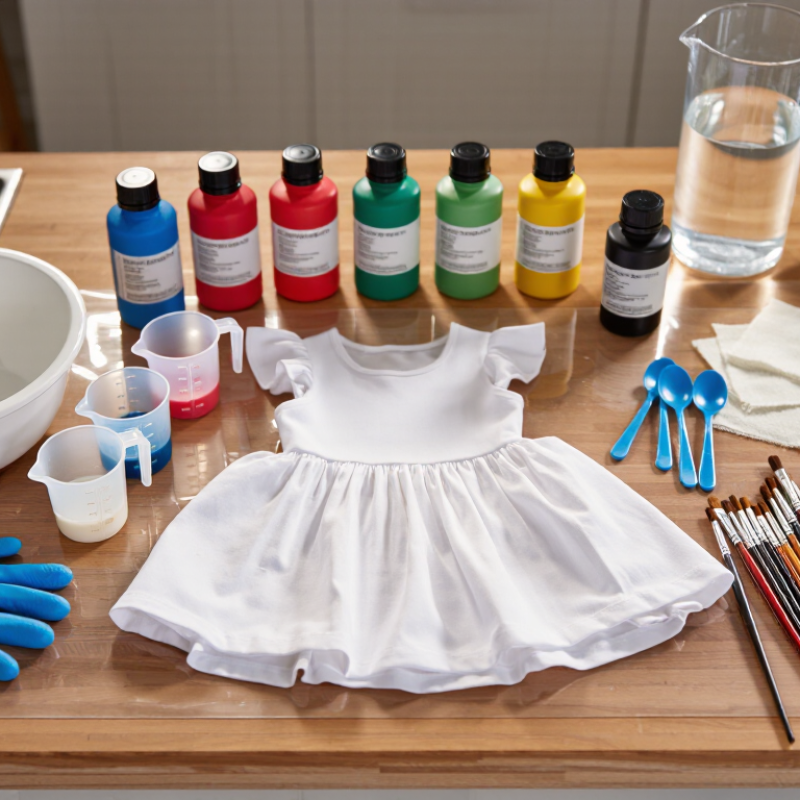
Top 10 Ways to Dye a White Girls Cotton Dress at Home?

Choosing the Right Dye and Preparing the Cotton Dress

Choosing the Right Dye and Preparing the Cotton Dress

A white cotton dress is a good starting point because cotton absorbs dye evenly. Check the care label carefully before choosing a color. Pure cotton usually accepts fiber-reactive dye well, while a cotton blend may produce a softer or uneven result. All-purpose dye can work, but it often fades faster after repeated washing. I prefer a dye designed for cellulose fibers because it offers stronger, clearer color on cotton.

Wash the dress before dyeing. Use warm water and a mild detergent, then leave it damp. This removes sizing, body oils, and hidden fabric finishes. Do not use fabric softener. It can block the dye from reaching the fibers. Weigh the dry dress, since dye measurements depend on fabric weight. Prepare a large container, gloves, measuring tools, and enough water for the dress to move freely. Cover the work surface with old plastic or newspapers.

Test the color on a small cotton scrap first. The wet fabric may look darker than the finished dress. Seams can remain lighter if they contain polyester thread. That detail surprised me during an early attempt. Stir slowly and often, especially around folds and the waistline. Uneven movement creates pale patches. I once rushed this step and regretted it. Follow the dye instructions for temperature, salt, or fixing agent, because formulas differ. Rinse until the water runs mostly clear, then wash the dress separately.

Top 10 Ways to Dye a White Cotton Dress at Home

Choosing the Right Dye and Preparing the Cotton Dress

Cotton is a cellulose fiber, so fiber-reactive dyes are commonly used at lower temperatures, while direct, natural, and all-purpose dyes generally require warmer dye baths. The chart shows representative midpoint temperatures from typical working ranges; always follow the instructions supplied with the dye. Pre-wash the dress to remove finishes, use a clean dye bath, and test the color on a fabric sample before dyeing the entire garment.

Preparing the Workspace, Tools, and Fabric Safely

Before dyeing a white cotton dress, clear a washable, well-ventilated workspace. Cover the table with a plastic sheet and keep towels nearby for sudden spills. Open a window. Keep children and pets away from the basin. Wear reusable gloves, protective glasses, and an apron that can handle stains. Good preparation prevents panic.

Use a nonreactive bucket, a long stirring utensil, measuring cups, a thermometer, and a timer. Do not use kitchen tools afterward. Read the dye instructions carefully, because temperatures and salt requirements vary. Prewash the dress without fabric softener, then inspect seams, zippers, and decorative trims. Cotton usually accepts dye well, but polyester thread may remain pale. Test a hidden fabric corner first.

Fill the container with enough water for the dress to move freely. Uneven movement creates cloudy patches. Dissolve the dye separately when instructed, and stir slowly to reduce splashing. My first home attempt looked darker near the hem because I rushed the agitation. That mistake taught me to set a timer and lift the garment gently every few minutes. Rinse in cool water until the runoff becomes mostly clear, then wash the dress alone. Dispose of leftover liquid according to local household guidance.

Exploring Ten Home Dyeing Methods for Different Color Effects

Dyeing a white cotton dress at home can create ten distinct color effects. Each method needs clean fabric and careful timing. A full immersion gives an even, reliable shade. Low-water dyeing produces deeper, slightly mottled color. A dip-dye creates a clear two-tone edge. Repeated dipping builds a soft ombré effect. Tie-dye makes rings, spirals, or cloudy bursts. Fold-and-bind dyeing creates geometric sections. Ice dyeing gives delicate, unpredictable textures. Layered colors can shift white into green, violet, or muted brown. Brush painting adds controlled stripes or small floral marks. A simple resist method leaves pale patterns against darker fabric.

Tips:

Wash the dress before dyeing. Remove finishes and let it remain damp. Use fiber-reactive dye for stronger cotton results, following its measured instructions. Wear gloves and protect the work surface. Test the color on a fabric scrap first. Keep notes about water temperature, dye amount, and soaking time. Small changes matter. Rinse until the water looks mostly clear, then wash the dress separately. Natural dyes can be beautiful, but their results vary with water minerals and fabric preparation. My own uneven attempts taught me that “random” color still needs planning. A loose knot may create an attractive pattern, or simply a blank patch. Cotton also shrinks, so avoid very hot water unless the care label permits it.

Applying, Setting, Rinsing, and Drying the New Color

For a white cotton girl’s dress, wash it first to remove sizing, oils, and dust. Leave it damp, then squeeze out excess water without twisting the fabric. Cover the work surface and wear gloves. Measure the dry dress before mixing dye. That number matters. Prepare the dye bath according to the product instructions, using enough water for the dress to move freely. Add the dye gradually, then stir until no dark streaks remain. Place the dress into the bath and keep every fold submerged. Stir constantly for the first ten minutes, then turn the fabric often. Uneven movement creates pale patches. I have made that mistake before.

Keep the temperature and setting time consistent with the dye directions. A timer helps, because guessing usually gives a weaker shade. Lift the dress carefully and rinse it under cool running water. Slowly increase the water temperature while squeezing the fabric gently. Continue until the runoff looks almost clear. Do not wring the dress; wet cotton can stretch around seams. Wash it separately once, using mild detergent, then rinse again. Press out water with a clean towel. Air-dry it in the shade, either flat or on a broad hanger. Direct sunlight may fade the new color. Check the care label before using a dryer. If permitted, choose low heat and remove the dress while slightly damp. Inspect the hem and seams after drying; they may reveal missed dye or unexpected shrinkage.

Washing, Caring for, and Troubleshooting the Dyed Dress

After dyeing a white cotton dress, let the color settle according to the dye instructions. Rinse it in cool or lukewarm water until the water looks nearly clear. Hot water can encourage early fading. Turn the dress inside out before washing, and use a mild detergent without bleach. Wash it separately for the first two or three cycles, because loose pigment may stain lighter clothing.

Troubleshooting Troubleshooting is easier when you inspect the fabric while it is damp. Uneven color can result from folds, dry patches, or insufficient stirring during dyeing. A second dye bath may improve the shade, but it can also make the dress darker than expected. I once underestimated this effect. Now I test a small hidden seam first. If the fabric feels stiff, rinse it again and avoid excessive detergent. For bleeding, continue gentle rinsing and air-dry the dress away from direct sunlight. Do not iron over damp color or use bleach to correct a mistake.

Tips: Blot spills quickly with a clean cloth. Avoid soaking the dress overnight. Hang it on a padded hanger, or fold it loosely in a drawer. Check the color under natural light before making another dyeing decision.

FAQS

How should I prepare the workspace before dyeing a cotton dress?

Choose a washable, well-ventilated area. Cover the table with plastic and keep towels nearby. Open a window. Keep children and pets away.

What protective equipment and tools are useful?

Wear reusable gloves, protective glasses, and a stain-resistant apron. Use a nonreactive bucket, stirring utensil, measuring cups, thermometer, and timer. Do not reuse these tools for food.

Should I wash and inspect the dress first?

Yes. Prewash it without fabric softener, then leave it damp. Check seams, zippers, and trims. Test dye on a hidden corner or fabric scrap.

Why might the color become uneven?

The dress needs enough water to move freely. Slow, regular agitation helps prevent cloudy patches. My first attempt became darker near the hem because I rushed.

Which home dyeing methods create different effects?

Full immersion gives an even shade. Dip-dye creates a two-tone edge. Repeated dipping builds ombré color. Tie-dye creates rings, spirals, or cloudy bursts.

How can I create sharper patterns?

Fold-and-bind methods create geometric sections. Resist methods leave pale shapes. Brush painting adds controlled stripes or small floral marks. The pattern may still shift.

Can natural dyes produce consistent results?

Natural dyes can look beautiful, but minerals and fabric preparation affect the color. Keep notes on temperature, dye amount, and soaking time. My “random” result still needed planning.

How should I rinse and wash the dyed dress?

Rinse it in cool water until the runoff is mostly clear. Wash the dress alone afterward. Follow local household guidance for leftover liquid. Cotton may shrink, so avoid very hot water unless permitted.

Conclusion

This guide explains how to dye a white girls cotton dress at home with careful preparation and creative planning. It covers how to choose a suitable dye for cotton, select a color, test the shade, and prepare the dress by washing it first. You will also learn how to organize a safe workspace, protect surfaces and clothing, gather basic tools, and handle dye responsibly. Ten approachable methods are introduced, including solid coloring, dip dyeing, ombré effects, tie-dye patterns, stripes, layering, and gentle color blending.

The guide then explains how to apply the dye evenly, allow the color to set, rinse away excess pigment, and dry the dress properly. It concludes with practical advice for washing and caring for the finished garment, helping the new color remain attractive over time. Troubleshooting tips address uneven color, fading, unwanted marks, and other common results, so beginners can confidently create a refreshed cotton dress at home.

Sienna

Sienna

Sienna is a skilled marketing professional with a deep expertise in our company’s core products and services. With a passion for innovation and detail, she plays a pivotal role in crafting insightful blog posts that not only highlight the unique features of our offerings but also provide valuable......